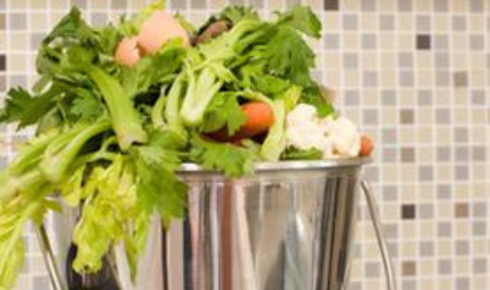
Kitchen scraps like vegetable peels, fruit leftovers, tea leaves and coffee grounds are full of organic matter. Instead of sending them straight to the bin, composting them turns waste into food for the soil.
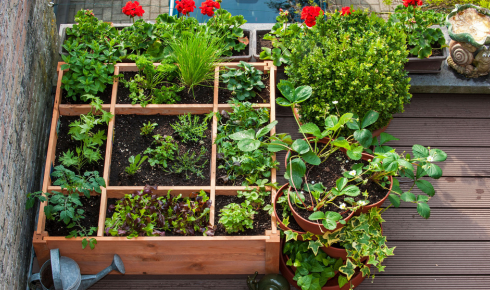
Over time, adding compost to pots or beds improves structure – soil becomes looser, better at holding moisture, and richer in nutrients. Plants grow stronger roots and often need less chemical fertiliser. You’ll notice more worms and tiny life in the soil, which is a good sign.
You don’t need a huge compost system to start. Even a small bin or bucket with a lid, where you layer scraps with a bit of dry material like leaves or paper, can produce usable compost over months.
It’s a slow, ongoing process, but it feels satisfying: yesterday’s peel and tea leaves become next season’s flowers and herbs. Your garden becomes more self-sustaining, and your kitchen waste decreases too.