There’s something oddly comforting about turning on any faucet in your home and knowing the water will just… work. Clear. Neutral. Reliable. You don’t have to think about it.
But if you’ve ever dealt with cloudy glasses, stubborn white residue on shower doors, or water that tastes slightly off, you know that confidence isn’t always guaranteed.
We tend to focus on the kitchen sink when we talk about filtration. Yet water flows through every room in your home — bathrooms, laundry, appliances, outdoor hoses. It shapes more of your daily experience than you probably realize.
And that’s where the conversation shifts from a single faucet to something bigger.
Water Is Everywhere — Not Just in Your Glass
Most people start exploring filtration because of taste. That makes sense. Drinking water is personal. But the effects of your home’s water extend far beyond what you consume.
You shower in it. You wash your clothes in it. Your dishwasher relies on it. Your water heater works around it every day.
When those systems aren’t getting the kind of water they need, small frustrations start adding up.
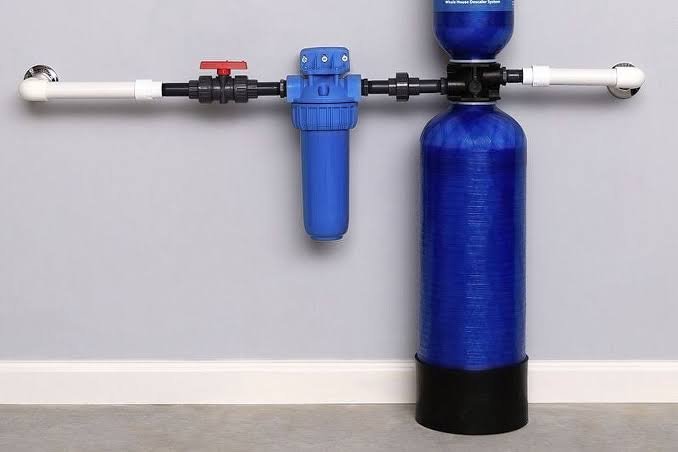
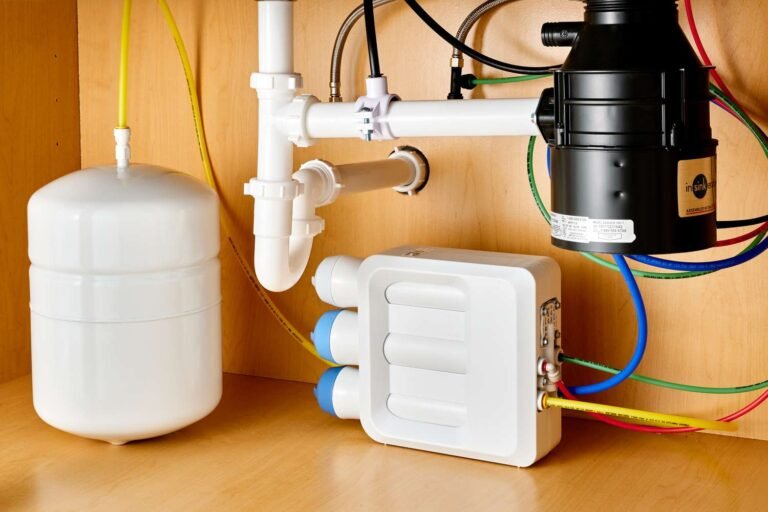
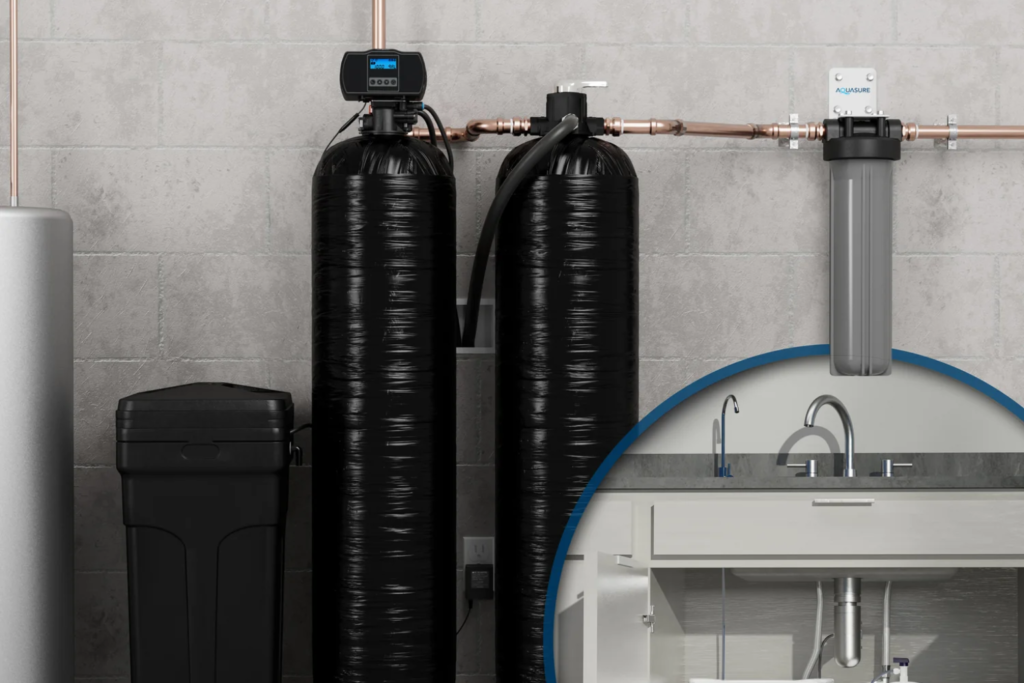
That’s why some homeowners consider whole house water systems instead of point-of-use filters. Rather than treating water at one tap, these systems filter or condition it as it enters your home.
The idea isn’t extravagance. It’s consistency.
Every faucet, every appliance, every shower — operating under the same improved conditions.
The Quiet Frustration of Hard Water
If you’ve ever battled chalky buildup on fixtures or wondered why your towels feel stiff even after washing, you’ve likely encountered hard water problems.
Hard water contains elevated levels of calcium and magnesium. These minerals aren’t harmful to drink, but they leave scale behind. Over time, that scale collects on surfaces and inside plumbing.
You notice it in soap that doesn’t lather properly. In glassware that never quite looks spotless. In showerheads that slowly clog.
The frustrating part? It’s not dramatic. It’s just persistent.
Addressing hardness at the entry point of your home can reduce that constant battle. Showers feel smoother. Cleaning takes less effort. Appliances experience less mineral buildup.
It’s not flashy. It’s functional.
Why Testing Comes First
Before installing any system — whole-home or otherwise — it’s important to understand your water profile.
Testing reveals hardness levels, chlorine presence, sediment, and other factors. It removes guesswork.
Without testing, you’re making decisions based on symptoms alone. And symptoms can overlap.
Cloudy water might be harmless air bubbles. Scale might be minimal in some regions. Chlorine taste may vary depending on seasonal treatment adjustments.
Data gives clarity. And clarity leads to smarter decisions.
Beyond Hardness: The Bigger Picture of Water Quality
Hardness is just one aspect of water quality. Chlorine, sediment, organic compounds, and even aging pipes can influence what flows from your tap.
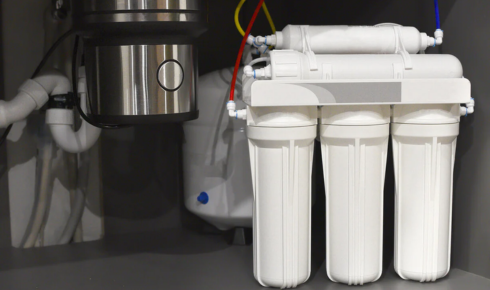
Whole-home systems often combine technologies. Sediment filters capture debris. Carbon filters reduce chlorine and odors. Softeners manage mineral content.
Layered systems address multiple concerns without expecting one device to do everything.
And when properly maintained, these systems operate quietly in the background.
That’s the goal — invisibility.
The Maintenance Reality
No water system is maintenance-free.
Filters need replacing. Softeners require salt refills. Periodic inspections keep everything functioning properly.
But modern systems are designed for convenience. Maintenance schedules are predictable and manageable.
A small routine investment prevents larger headaches down the road.
It’s similar to servicing your car. You don’t wait for a breakdown. You maintain proactively.
Is It Worth It?
That depends on what you value.
If scale buildup is damaging appliances or increasing cleaning time, the long-term benefits of a whole-home system can outweigh the upfront cost.
If taste and odor are your primary concerns, a point-of-use filter may be enough.
The key is aligning your solution with your specific situation.
Not every home requires comprehensive treatment. But for those experiencing persistent issues, addressing water at the source can feel transformative — even if the changes are subtle.
The Everyday Comfort Factor
One of the most overlooked benefits of improving water across your home is comfort.
Showers feel better. Laundry feels softer. Dishes come out cleaner.
These aren’t dramatic improvements. They’re incremental.
But over weeks and months, those incremental changes become your new normal.
And once you get used to them, it’s hard to imagine going back.
A Balanced Perspective
It’s easy to swing between extremes — assuming your water is either perfectly fine or deeply problematic.
The reality is usually somewhere in between.
Most municipal systems meet safety standards. Most well systems function reliably with proper maintenance.
Whole-home solutions aren’t about fear. They’re about refinement.
Reducing friction. Protecting appliances. Enhancing daily routines.
Final Thoughts
Water flows through every part of your home. It influences how your appliances perform, how your laundry feels, how your shower refreshes you at the end of a long day.
When that water is balanced, consistent, and thoughtfully managed, life feels a little smoother.