Hard water doesn’t usually announce itself with drama. It just… lingers.
It shows up as chalky residue on faucets. As stubborn spots on dishes that never quite sparkle. As shampoo that refuses to lather no matter how much you use. And over time, it quietly settles inside your pipes and appliances, building up mineral deposits that make everything work a little harder.
If you’ve started noticing these signs, you’re probably exploring solutions. Maybe you’ve even typed water softener monthly rental near me into your search bar late one evening, wondering if renting is the smarter move.
You’re not alone.
Why Hard Water Becomes a Bigger Deal Over Time
At first, hard water feels like a cosmetic issue. You wipe down surfaces more often. You use a little extra detergent. You live with it.
But beneath the surface, scale builds up inside plumbing lines and water heaters. That buildup restricts water flow and forces heating elements to use more energy. Over months and years, that strain can shorten the lifespan of appliances.
What seems minor at first can quietly turn expensive.
That’s why more homeowners are considering rental water treatment systems rather than waiting for repairs to pile up.
The Appeal of Renting Instead of Buying
Purchasing a softener outright often requires a significant upfront investment. Equipment costs, installation fees, plumbing adjustments — it adds up quickly.
For many families, especially those unsure how long they’ll stay in a home, rental options feel less intimidating.
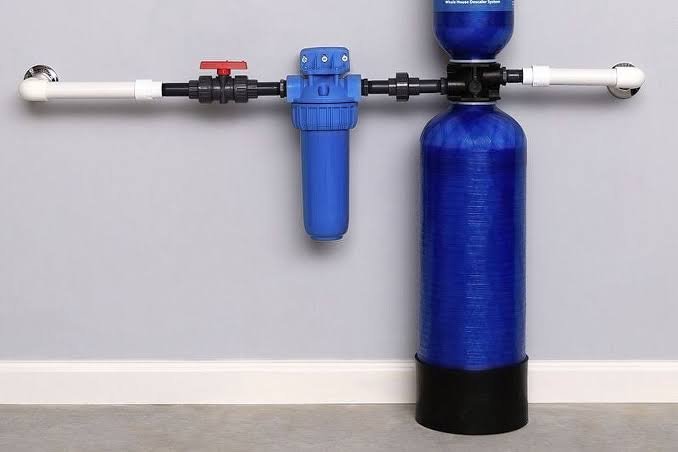
With rental water softeners, the structure is typically simple: a fixed monthly fee covers equipment use and, in many cases, maintenance and repairs. If something stops working, the company handles it. If upgrades are needed, they may be included depending on the contract.
It’s predictable.
And predictability matters when budgeting household expenses.
Searching for Local Options
When you look up water softener rental near me, you’ll likely see multiple local providers offering different packages. Some include salt delivery. Others expect you to manage refills yourself. Some contracts lock you in for several years, while others offer month-to-month flexibility.
The trick isn’t just finding a provider. It’s finding the right fit.
Ask questions before committing:
- Is installation included in the monthly cost?
- Are service calls free?
- What happens if you move?
- Is there a buyout option later?
A reputable company should also test your water before recommending a system. Not every home needs the same size or capacity.
Transparency is a good sign. Pressure tactics are not.
Understanding the Real Costs
Monthly rental fees vary based on region, water hardness levels, and system size. While rental avoids upfront investment, it may cost more over many years compared to buying.
But that doesn’t automatically make renting a bad choice.
If you value convenience, included service, and lower initial expense, rental can make sense. For homeowners who don’t want to think about maintenance schedules or repair bills, the simplicity is worth it.
On the other hand, if you plan to stay long-term and don’t mind managing upkeep, ownership could be more economical.
There’s no universal answer. It depends on your situation.
Maintenance Still Matters
Whether rented or owned, water softeners require salt refills and occasional inspection. Resin beds inside the tank can wear down over time. Neglecting maintenance reduces efficiency.
The difference with rental programs is that service is often included. That means fewer surprises and fewer DIY headaches.
For busy households, that’s a real advantage.
But always confirm what’s covered. Not all agreements include the same level of support.
The Everyday Benefits of Softened Water
Once a system is installed, the changes are usually noticeable.
Soap lathers better. Laundry feels softer. Dishes dry without cloudy residue. Shower doors stay clearer longer.
Over time, softened water can reduce scale buildup inside appliances, which may improve efficiency and extend lifespan.
The impact isn’t flashy. It’s subtle. But it’s consistent.
And sometimes consistency is exactly what a home needs.
Should You Rent or Buy?
If you’re still weighing the decision, consider these questions:
- How long do you plan to stay in your home?
- Are you comfortable with upfront investment?
- Do you prefer predictable monthly expenses?
- Would you rather handle maintenance yourself or have it managed?
Renting provides flexibility and service support. Buying provides long-term cost control.
Neither is inherently better. They simply serve different needs.
A Final Thought
Hard water rarely fixes itself.
Ignoring it might feel easier in the short term, but scale buildup and appliance strain don’t disappear. They accumulate quietly.
Exploring rental options gives you a way to address the problem without a large financial leap. It offers convenience, predictable costs, and professional support.
Take your time comparing providers. Read contracts carefully. Ask about service details. Think beyond the first month and consider where you’ll be in a few years.
Because sometimes the smartest home decision isn’t the biggest one.
It’s the one that quietly improves your everyday routine — one shower, one load of laundry, one clear glass at a time.