Most people don’t spend much time thinking about water until something feels off.
It might start with dry skin after a shower. Maybe the sink develops chalky white stains that keep coming back no matter how hard you scrub. Sometimes it’s the taste — a faint metallic flavor in your morning coffee or an odd chlorine smell when you fill a glass from the tap.
At first, these things seem small. Easy to ignore. Life moves fast, and water usually sits pretty low on the list of daily concerns. But eventually, those little annoyances begin stacking up. And once you notice them, it becomes surprisingly difficult to stop noticing.
That’s part of the reason homeowners today are becoming far more aware of the condition of the water flowing through their homes. Not because everyone suddenly turned into a scientist or a plumbing expert. Honestly, most people just want their homes to feel comfortable again.
The Quiet Ways Water Affects Daily Life
Water touches nearly every routine we have.
You cook with it, shower in it, wash clothes with it, clean dishes, make tea or coffee, fill pet bowls — the list never really ends. So when something about your water isn’t right, even slightly, it has a way of creeping into everyday life.
A friend of mine spent months replacing soaps and shampoos because his skin kept feeling irritated after showers. Turns out, the problem wasn’t the products at all. The hard mineral content in his home’s water was the real culprit.
Situations like that are more common than people think.
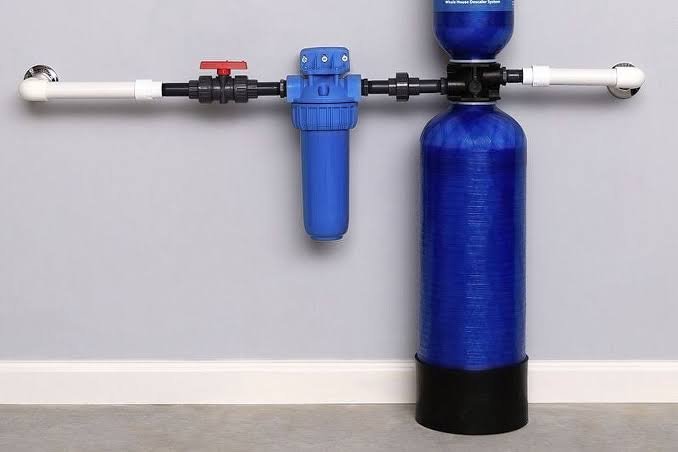
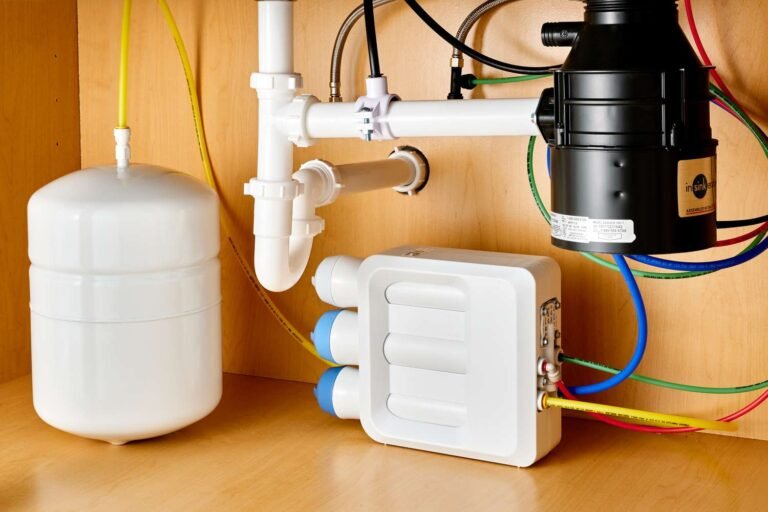
Many households eventually look into water conditioning systems once they realize their water may be affecting appliances, plumbing, laundry, and personal comfort all at once. It’s not necessarily about creating “perfect” water. It’s more about reducing the frustrating side effects that poor water conditions can create over time.
And honestly, those side effects have a sneaky way of becoming expensive if left unchecked.
Some Water Issues Hide in Plain Sight
The tricky thing about household water is that problems aren’t always obvious.
Sometimes the water looks completely clear but still carries high mineral levels or unwanted contaminants. Other times, the signs are subtle enough that people normalize them without realizing it.
Soap that won’t lather properly. Dishes with cloudy spots. Clothes fading faster after washing. Water heaters losing efficiency. Faucets collecting crusty buildup around the edges.
These kinds of water problems tend to build slowly rather than all at once. That gradual change is exactly why homeowners often tolerate them for years before finally deciding to investigate.
And when they do, the solution usually starts with understanding what’s actually in the water instead of guessing.
Not Every Home Needs the Same Fix
One mistake people commonly make is assuming there’s a universal answer.
There isn’t.
Water quality varies depending on location, plumbing, water source, and even the age of a neighborhood’s infrastructure. Homes using private wells often face completely different concerns than homes connected to municipal supplies.
Some families deal mainly with hardness and mineral buildup. Others notice chlorine taste or odor. Rural properties may struggle with sediment or iron staining. A one-size-fits-all filter rarely solves every issue properly.
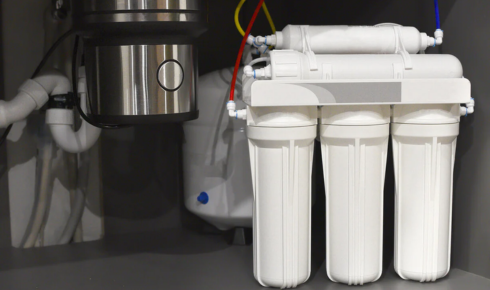
That’s why testing matters. Good professionals don’t usually recommend equipment immediately. They ask questions first, test the water, and figure out what’s causing the actual discomfort or damage before suggesting any system.
It’s a much smarter approach than buying random products online because an advertisement promised “pure water in 24 hours.”
The Emotional Side of Better Water
People often talk about filtration systems in technical language — minerals, contaminants, sediment levels, pH balance. But there’s another side to this conversation that feels far more human.
Peace of mind.
Knowing your drinking water tastes fresh matters. So does feeling confident when your kids fill a glass from the kitchen sink. Clean-feeling showers, softer laundry, and clearer ice cubes may sound minor individually, but together they genuinely improve how a home feels day to day.
Good water quality creates comfort people rarely appreciate until they experience the difference firsthand.
Oddly enough, homeowners often describe improved water in emotional terms rather than technical ones. They’ll say the house feels cleaner. The showers feel better. Coffee tastes richer. Skin feels less irritated. Small observations, sure, but meaningful ones.
And maybe that’s because water is woven into so many moments of ordinary life that even subtle improvements become noticeable pretty quickly.
Better Water Is Really About Long-Term Comfort
Home improvement trends come and go. Fancy kitchen styles change every few years. Flooring trends rotate constantly. But reliable water stays important no matter what decade it is.
The interesting thing is that upgrading household water systems rarely feels flashy. Nobody walks into a house and immediately compliments a filtration setup the way they would new countertops or expensive furniture.
Yet the benefits quietly show up every single day.
Appliances last longer. Plumbing stays cleaner. Laundry feels softer. Showers become more enjoyable. Cooking tastes better. Tiny frustrations disappear one by one until daily life simply feels smoother.
And honestly, that’s probably why more homeowners are paying attention now. Cleaner, better-conditioned water isn’t really about luxury anymore. It’s about comfort, practicality, and creating a healthier environment inside the place people spend most of their lives.
Sometimes the most valuable home improvements are the ones you feel constantly, even if you barely see them.