Most people don’t spend much time thinking about the water flowing through their homes. You turn on the tap, fill a kettle, run the dishwasher, maybe water a few plants outside, and move on with the day. It’s one of those things we expect to work without question.
But over time, water leaves clues.
A faint white film on faucets. Glasses that never quite sparkle. Dry skin after showers. Appliances wearing out faster than expected. These things seem unrelated at first, almost random, until you realize they often trace back to the same source.
I remember visiting a friend who had just moved into an older house. She kept complaining that no matter how often she cleaned the bathroom, the fixtures looked dull again within days. At one point she laughed and said, “I think my sink is fighting me personally.” Turns out, the issue wasn’t cleaning habits at all. It was the water.
Small Water Problems Have a Way of Growing Quietly
The interesting thing about household water issues is how gradually they appear. Rarely does anything break overnight. Instead, it’s more like a slow accumulation of tiny inconveniences that quietly become normal.
One common issue many homeowners deal with is calcium buildup. Hard water carries minerals like calcium and magnesium, and over time those minerals settle inside pipes, fixtures, and appliances. The white crust around taps or showerheads is usually the most obvious sign, but there’s often much more happening where you can’t see it.
Water heaters become less efficient. Dishwashers leave cloudy residue. Washing machines may struggle to perform as well as they once did.
And honestly, by the time most people notice the bigger effects, the buildup has usually been happening for years.
Why Water Feels Different From One Home to Another
Have you ever stayed somewhere and noticed the water just felt… better? Softer showers, cleaner-tasting coffee, smoother laundry? That difference isn’t imagined.
Local geology plays a huge role in household water. Some regions naturally contain higher mineral levels, while others may deal with chlorine-heavy municipal treatment or sediment from older infrastructure.
That’s why there’s no universal fix for every home. A family using well water in a rural area faces completely different challenges compared to someone living in a downtown apartment building.
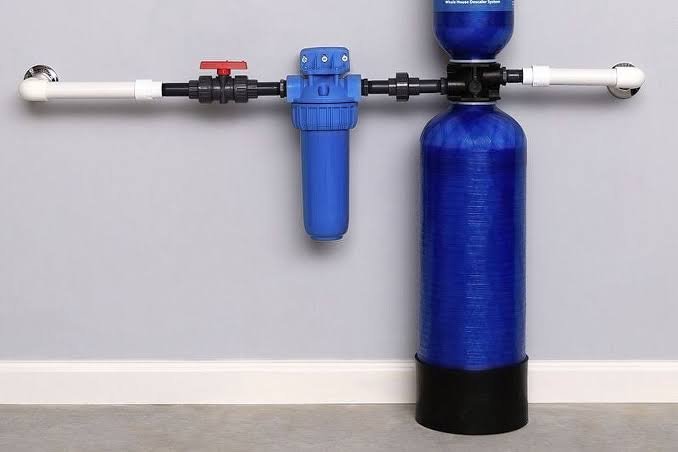
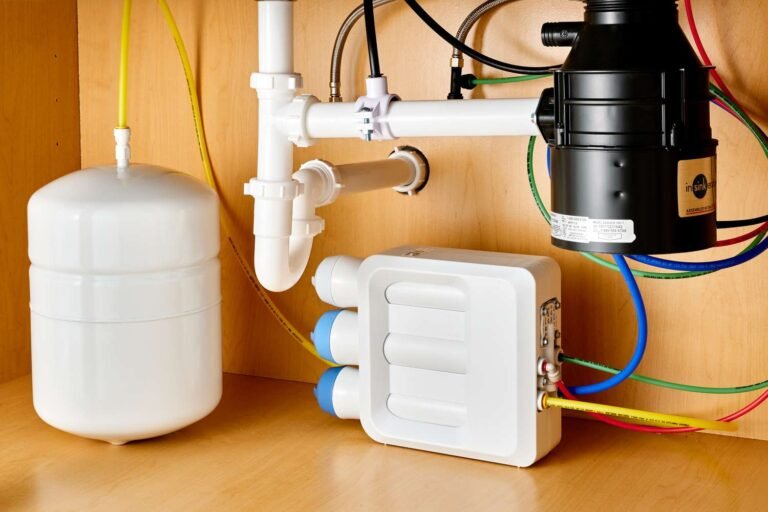
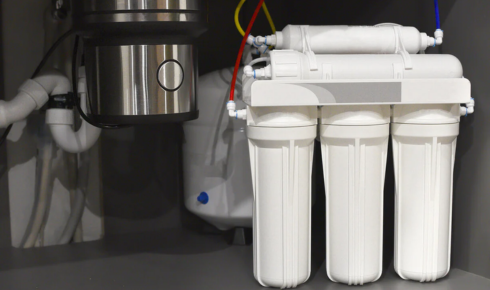
The type of water system a home needs really depends on what’s already present in the supply. Some homes benefit from softening systems designed for mineral-heavy water, while others need filtration that targets taste, odor, or contaminants.
This is where many homeowners get overwhelmed, though. The industry throws around technical terms and dramatic promises that can make simple decisions feel weirdly complicated.
The Emotional Side of Better Water
It sounds funny saying “emotional” about water, but there’s something comforting about knowing the basics in your home are working properly.
Clean water changes daily routines in subtle ways. Cooking feels easier. Coffee tastes richer. Showers become more relaxing instead of irritating. Even cleaning takes less effort when mineral stains stop reappearing every few days.
My cousin once installed a softening system after years of dealing with stubborn water spots. A month later she joked that her biggest surprise was how much less time she spent scrubbing sinks every weekend. It wasn’t some dramatic life transformation. Just one less annoying task draining energy every week.
Sometimes the best home improvements are the ones you stop thinking about because life simply feels smoother afterward.
There’s No Perfect Solution — And That’s Okay
One thing people should know is that no treatment setup creates “perfect” water. Every home has different needs, budgets, and priorities.
Some homeowners want drinking water filtration only. Others focus on protecting plumbing and appliances. Families with sensitive skin may prioritize softer bathing water. The right answer depends entirely on lifestyle and local conditions.
That’s why proper testing matters so much before buying anything expensive. Without understanding what’s actually in the water, it’s easy to overspend or solve the wrong problem entirely.
There are plenty of companies selling complicated systems homeowners probably don’t need. But there are also practical, targeted water solutions that genuinely improve everyday life without turning the whole process into a major renovation project.
Sometimes a simple filter is enough. Sometimes a whole-house approach makes more sense. It really depends.
Water and the Hidden Cost of Waiting
People often postpone dealing with water issues because the problems seem manageable at first. A few spots on dishes don’t feel urgent. Slightly dry skin doesn’t seem catastrophic.
But over time, untreated water can quietly wear down expensive systems around the house.
Mineral deposits reduce efficiency inside water heaters. Pipes narrow gradually. Appliances work harder and consume more energy. Repairs become more frequent. Individually, these costs don’t always seem huge, but collectively they add up fast.
And unlike cosmetic issues, internal plumbing damage usually stays invisible until something finally breaks.
Paying Attention to Everyday Comfort
There’s a reason more homeowners are becoming aware of water quality now than they were ten or fifteen years ago. People want healthier, more efficient homes. They want comfort that lasts.
Good water won’t magically solve every household problem, obviously. But it does shape daily life more than most people realize.
The way your laundry feels. The taste of tea in the morning. How long your appliances survive. Even the amount of time spent cleaning fixtures and sinks — it all connects back to the water moving quietly through the house each day.
And maybe that’s the thing. Water works best when you barely notice it at all.