Most homeowners don’t think much about their plumbing until something goes wrong. A faucet starts sputtering. Water pressure drops for no obvious reason. The shower suddenly takes forever to warm up. It’s funny how quickly we notice water once it stops behaving the way we expect.
And honestly, that’s understandable. Water quietly supports almost every routine we have. Morning coffee, laundry, cooking dinner, washing muddy shoes after rain — it all depends on systems working properly behind the scenes.
The strange part is that many of the bigger water problems people face at home don’t happen overnight. They build slowly through neglect, tiny warning signs, or postponed upkeep. A small leak becomes pipe corrosion. Sediment buildup turns into appliance damage. Filters stop doing their job months before anyone realizes.
That’s why paying attention to household water health matters more than people sometimes think.
Most Water Problems Start Quietly
The tricky thing about plumbing and filtration issues is how subtle they can be at first. Unlike a broken window or a dead appliance, water issues often creep in gradually.
Maybe your dishes start coming out cloudy. Maybe there’s a faint smell near the sink after running hot water. Some people notice their laundry feeling stiff even after using softener. Others just assume low water pressure is “normal” for older homes.
In reality, these little annoyances are often signs that parts of the home’s water systems need attention.
Sediment buildup, aging pipes, clogged filters, or mineral-heavy water can slowly affect efficiency throughout the house. Appliances work harder. Utility bills rise a bit at a time. Eventually, what could’ve been a simple fix becomes a costly repair.
It’s not dramatic — until suddenly it is.
Why Preventive Care Actually Saves Money
People usually think of home upkeep as something boring but necessary. Change the air filters. Clean the gutters. Check the roof once in a while. Water equipment deserves that same mindset, even though it’s easy to overlook.
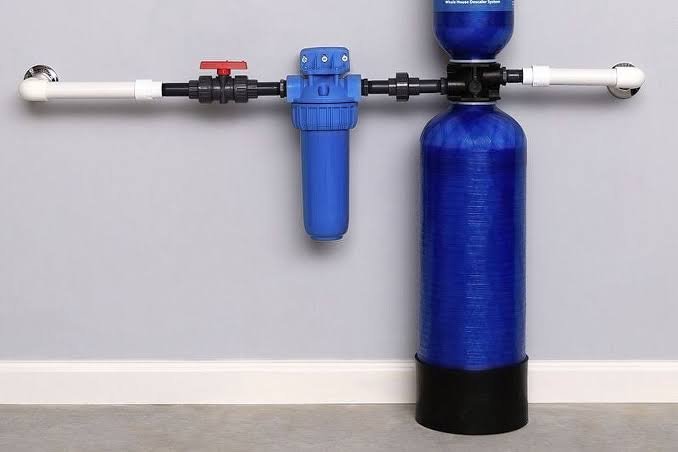
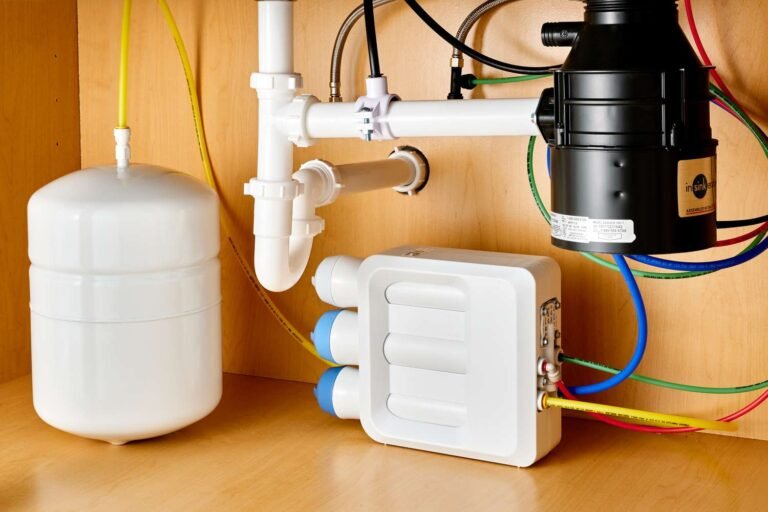
Regular maintenance helps prevent the kind of hidden wear that shortens the life of water heaters, dishwashers, washing machines, and filtration systems. Minerals and debris don’t just disappear on their own. Over time, they collect inside pipes and appliances where you can’t easily see them.
The thing is, small upkeep tasks are generally inexpensive compared to emergency repairs.
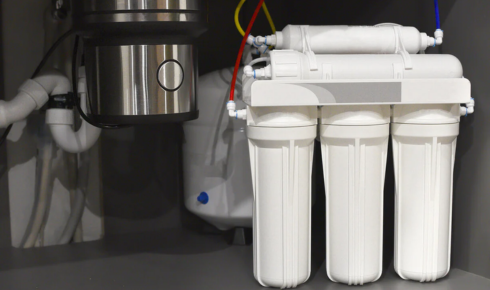
Replacing a filter on schedule costs very little. Replacing a damaged water heater because mineral buildup destroyed it? Different story entirely.
And while nobody enjoys scheduling inspections or cleaning components, homeowners who stay ahead of problems usually avoid the stressful surprises later.
Water Quality Impacts Daily Comfort More Than We Realize
One thing people underestimate is how much water quality affects everyday comfort. You don’t always connect dry skin or dull laundry to the condition of your home’s plumbing or filtration setup right away.
But cleaner, balanced water changes daily routines in surprisingly noticeable ways.
Showers feel softer. Soap rinses properly. Glassware looks clearer. Coffee and tea often taste better too, though maybe coffee lovers just romanticize everything a little. Still, there’s truth in it.
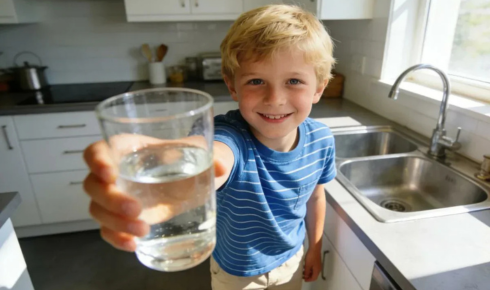
Families with children tend to become especially aware of these details. Once kids enter the picture, many homeowners start paying closer attention to what’s flowing through their taps and appliances. Not from panic — more from practicality and peace of mind.
Professional Help Isn’t Only for Emergencies
A lot of people wait until there’s an obvious issue before calling a technician. But professional service isn’t only about fixing major breakdowns. Sometimes it’s simply about identifying small problems before they grow.
A good inspection can reveal things homeowners might never notice themselves — hidden leaks, pressure inconsistencies, aging components, or inefficient filtration systems. And in homes using well water, routine testing becomes even more important because water conditions can shift seasonally.
The best technicians usually aren’t the ones trying to sell unnecessary upgrades. They’re the ones who explain things clearly, answer questions honestly, and help homeowners understand what actually matters for their situation.
That kind of guidance goes a long way.
Older Homes Need a Little Extra Attention
There’s something charming about older homes, but aging plumbing can quietly become a challenge. Pipes corrode slowly over decades. Fixtures wear down. Water pressure changes. Sometimes previous repairs were done quickly instead of properly.
Older systems don’t automatically mean bad water, of course. But they often benefit from more consistent monitoring and occasional modernization.
And honestly, many homeowners are surprised by how much improvement comes from relatively simple updates. Replacing outdated filters, installing pressure regulators, or upgrading aging fixtures can noticeably improve efficiency and water quality without requiring a full plumbing overhaul.
Small changes matter more than people expect.
The Goal Is Reliability, Not Perfection
Nobody expects household systems to run flawlessly forever. That’s not realistic. But most people do want reliability — the comfort of knowing the water will work properly when needed without constant worry.
And really, that’s what good water care is about. Not chasing perfection or obsessing over every technical detail. Just staying attentive enough to avoid bigger headaches later.
Because when water systems are working well, life feels easier in quiet ways. The shower starts warm. The dishwasher works properly. The laundry smells fresh. You stop thinking about the plumbing altogether.
Which, honestly, is probably the best sign that everything’s working exactly as it should.