
You don’t always notice it right away.
At first, it’s just a faint discoloration around the sink. A slight smell when you turn on the tap. Maybe your white laundry doesn’t look quite as bright as it used to. Nothing dramatic—just small, quiet signs that something isn’t quite right.
And like most things in a busy home, it’s easy to ignore.
Until it isn’t.
Because water has a way of leaving clues. Not loud ones, not urgent alarms—but steady, persistent hints that something beneath the surface deserves attention.
The Marks That Tell a Story
Let’s start with the obvious ones.
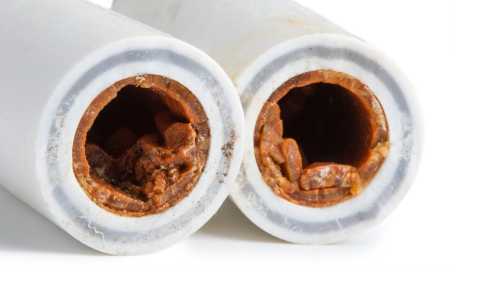
Those reddish-brown stains around faucets, in bathtubs, or even on freshly washed clothes—they’re not just cosmetic annoyances. They’re often linked to iron in your water supply.
And while iron itself isn’t necessarily harmful, it’s… inconvenient. It stains, it builds up, and it can make your home feel harder to maintain than it should be.
That’s where iron and rust stain removal becomes more than just a cleaning task—it becomes part of managing your water quality.
Because scrubbing the surface doesn’t solve the source.
When Clean Doesn’t Feel Clean
Then there’s the smell—or sometimes, the taste.
You turn on the tap, and there’s that faint hint of chlorine. Not overpowering, just noticeable enough to make you pause. It’s the kind of thing you might ignore at first, but over time, it starts to affect how you feel about your water.
Drinking it feels less appealing. Showering leaves your skin a little drier than usual.
This is where chlorine & chemical reduction enters the conversation.
Not because the water is unsafe—most municipal systems use chlorine intentionally—but because reducing those elements can make water feel more natural, more comfortable, more like what you expect.
It’s less about safety, more about experience.
The Smell You Can’t Ignore
And then there’s the one that’s hardest to overlook.
That unmistakable “rotten egg” smell.
It’s usually caused by hydrogen sulfide gas, and once you notice it, it’s hard to un-notice. It lingers in your kitchen, your bathroom, even your laundry.
This is where sulphur odor treatment becomes essential—not just for comfort, but for restoring a sense of normalcy to your home.
Because water shouldn’t make you hesitate before using it.
Why These Issues Show Up in the First Place
Water doesn’t exist in isolation.
It travels through soil, pipes, treatment systems, and storage tanks before it reaches your tap. Along the way, it picks up characteristics from its environment.
Minerals, chemicals, organic compounds—they all play a role.
So when you notice stains, smells, or changes in how your water behaves, it’s not random. It’s the result of a process that’s been happening long before the water reaches your home.
Understanding that process helps you respond more effectively.
The Difference Between Temporary Fixes and Real Solutions
It’s tempting to treat symptoms instead of causes.
A stronger cleaner for stains. A scented detergent to mask odors. Bottled water to avoid the taste.
And while these fixes might help in the short term, they don’t address what’s actually happening.
Real solutions come from identifying the source and adjusting your water treatment approach accordingly.
It’s a shift—from reacting to managing.
How Better Water Changes Everyday Life
What’s interesting is how quickly you adapt once your water improves.
You stop noticing stains because they’re no longer there. Your laundry looks the way it should. Your water smells… like nothing at all.
And that “nothing” is actually everything.
Because clean, balanced water isn’t supposed to draw attention to itself. It’s supposed to blend into your routine, supporting your home without becoming a concern.
The Hidden Benefits You Don’t Expect
Beyond the obvious improvements, there are smaller benefits that tend to show up quietly.
Appliances last longer. Pipes stay cleaner. You use less soap and fewer cleaning products without even trying.
It’s not a dramatic transformation—it’s a gradual easing of effort.
And over time, that adds up.
A More Aware Way of Living at Home
There’s a certain awareness that comes with paying attention to your water.
You start noticing patterns. Understanding how different elements affect your home. Making choices that align with how you want your space to feel.
It’s not about becoming an expert.
It’s about being informed enough to make decisions that improve your everyday experience.
When Everything Feels Right Again
At the end of the day, the goal isn’t perfection.
It’s comfort.
Water that doesn’t stain, doesn’t smell, doesn’t leave you second-guessing. Water that works with your home, not against it.
And when you reach that point, something shifts.
You stop thinking about your water altogether.
Which, in a way, is the best outcome you could ask for.
Because the absence of problems isn’t just convenient—it’s a quiet kind of peace that makes your home feel exactly the way it should.