
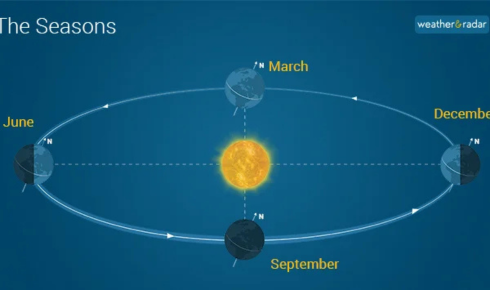
The sun’s position changes through the year. A corner that’s bright in winter may be too hot in summer, and a spot that feels shady now might get strong light a few months later. If you pay attention to where the sun actually falls in each season, you can make much better decisions about plants, seating and shading.
For example, you might put winter-loving plants where they catch low-angle sun in colder months, but protect delicate ones from strong summer heat. A chair that’s perfect in winter sun might need an umbrella or to be moved in summer.
Noting this over time – even mentally, or in a simple sketch – stops you from blindly placing things and then being disappointed. It also helps with window treatments indoors, because you’ll know which windows bake in summer and which need extra warmth in winter.
You’re basically learning how your specific home and garden “dance” with the sun.