Water rarely gets much attention when everything is working properly. You turn on the tap, fill a glass, run a shower, wash dishes — and life moves on. But the moment something changes, even slightly, people notice fast. Strange odors, cloudy water, mineral stains, dry skin, poor-tasting coffee… it all starts adding up in ways that are surprisingly hard to ignore.
What’s interesting is how differently water problems affect people depending on where they are. A homeowner worries about family comfort and appliance lifespan. A business owner, on the other hand, worries about customers, equipment downtime, health regulations, and operating costs. Different environments, same underlying issue.
And honestly, clean water has become one of those things people no longer take for granted.
Why Water Problems Feel So Personal at Home
At home, water quality affects daily routines in ways people don’t always realize until something goes wrong. Laundry doesn’t feel as soft. Showers leave hair dry and skin itchy. Faucets gather crusty white buildup that refuses to disappear no matter how often you clean.
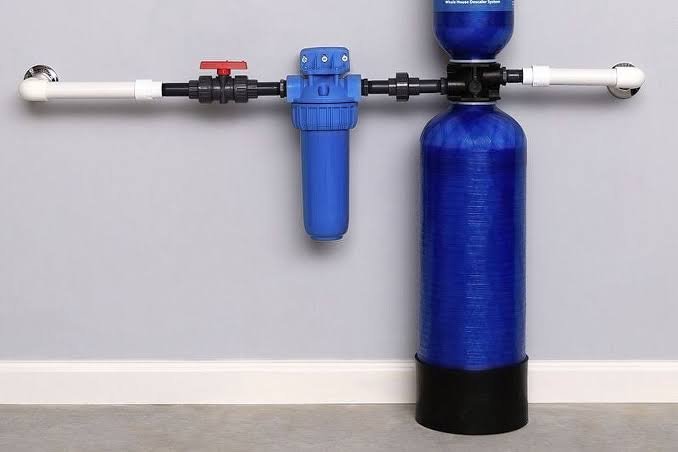
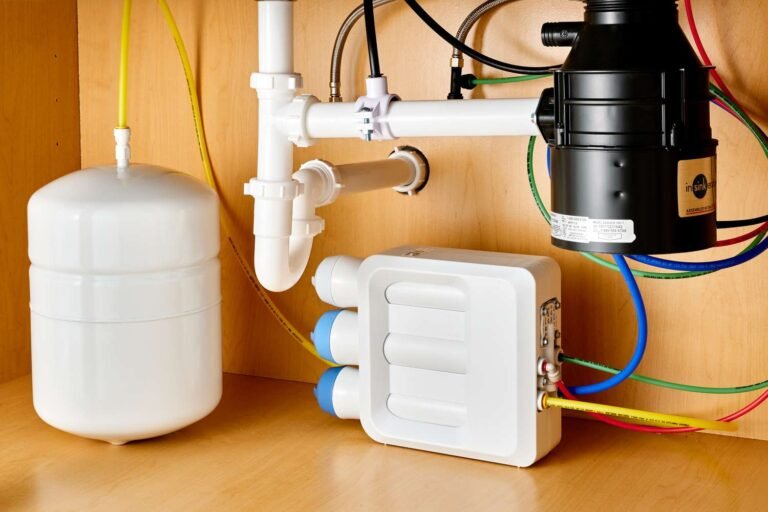
For many households, investing in better residential water systems isn’t about luxury anymore. It’s about comfort and consistency. Families want water that tastes clean, feels gentle on plumbing, and doesn’t slowly destroy appliances from the inside out.
Hard water is especially common in certain regions, and it quietly causes frustration for years before homeowners connect the dots. Water heaters lose efficiency. Dishwashers struggle. Pipes accumulate scale buildup little by little.
I remember visiting a relative who kept replacing coffee makers every year because they assumed the products were cheaply made. Turns out, mineral-heavy water had been damaging the internal components all along. Once they installed proper treatment equipment, the problem practically disappeared.
Funny how something invisible can create so many visible headaches.
Businesses Depend on Water More Than Customers Realize
Water quality becomes even more critical in commercial environments. Restaurants, hotels, salons, healthcare facilities, manufacturing plants — they all rely heavily on consistent water performance every single day.
Imagine running a café where the water affects the taste of every coffee served. Or a hotel where guests complain about hard water stains and poor shower pressure. Small water issues can quietly damage a company’s reputation over time.
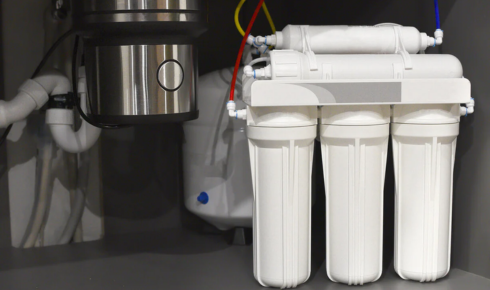
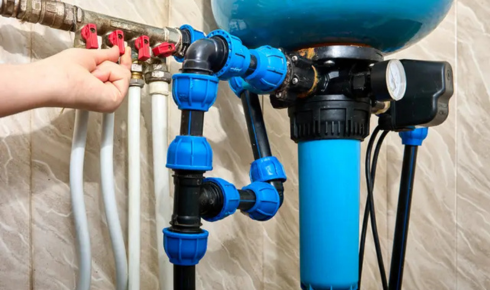
That’s why many businesses invest heavily in commercial water treatment equipment designed specifically for larger usage demands. These systems often handle higher flow rates, more complex filtration needs, and stricter sanitation requirements than standard home systems.
And unlike homeowners, businesses usually can’t afford long periods of downtime when systems fail. A broken water heater in a house is frustrating. In a restaurant or hotel, it can become a financial disaster within hours.
That changes the conversation entirely.
There’s No Universal Fix for Water Issues
One thing experts say repeatedly — and they’re absolutely right — is that every property has different water conditions. The water coming into one neighborhood may behave completely differently just a few miles away.
Some areas struggle with iron contamination. Others battle chlorine taste, sulfur odors, sediment, or extreme hardness. Older buildings may also deal with aging pipes that affect water quality independently from the main supply itself.
That’s why testing matters before buying any expensive equipment.
A surprising number of people spend money solving the wrong problem because they skipped proper analysis. A friend of mine once installed a complex filtration setup only to realize later that the real issue was outdated plumbing inside the building, not the incoming water supply at all.
Good water professionals usually recommend testing first and equipment second. That’s often the sign you’re dealing with someone trustworthy instead of a company just trying to push inventory.
Technology Has Quietly Improved Modern Systems
Older treatment systems used to feel bulky, noisy, and complicated. Modern equipment has changed a lot over the past decade. Today’s systems are often more efficient, easier to maintain, and surprisingly compact considering how much work they do behind the scenes.
Many newer setups even monitor themselves digitally. Some can detect performance changes, notify owners about maintenance needs, or track filter life automatically.
That convenience matters because maintenance is the part people tend to forget.
Filters need replacing. Tanks need cleaning. Components eventually wear out. Ignoring upkeep doesn’t usually create immediate disaster, which is why homeowners and businesses sometimes postpone it longer than they should. The system simply becomes less effective little by little until water quality starts slipping again.
And by then, most people are back to wondering why their water suddenly tastes strange.
Better Water Creates Better Daily Experiences
The biggest surprise for many people is how quickly they stop thinking about water once problems are solved. That’s probably the best outcome possible.
Showers feel cleaner. Ice cubes look clearer. Appliances work more efficiently. Coffee tastes richer somehow. Restaurants maintain consistency. Hotels receive fewer complaints. Employees and customers feel more comfortable without even realizing why.
Good water solutions don’t always create dramatic transformations overnight. Most improvements are subtle. Quiet. The kind you notice more through absence than presence.
No more strange smells. No more spotting on dishes. No more worrying whether the water is affecting plumbing, equipment, or overall comfort.
At the end of the day, water touches nearly every part of life and business operations, even when it stays in the background. That’s why investing in better treatment systems often feels worthwhile long after installation day is over.
People may not always notice excellent water immediately, but they almost always notice bad water eventually. And once you’ve experienced the difference reliable, clean water makes, it becomes surprisingly difficult to go back.