You can tell a lot about a house by its water.
Not in some poetic, movie-scene kind of way — more practically than that. Spend a few days in someone’s home and you’ll notice the little clues. Glassware with cloudy spots. Shower doors covered in stubborn residue. Dry skin after bathing. Maybe even that faint smell from the tap nobody talks about anymore because they’ve gotten used to it.
Water quietly shapes daily comfort. Most people don’t think about it until something feels off, and by then the issue has usually been around for a while.
I remember staying at my cousin’s place during winter a few years ago. The water there wasn’t terrible, but everything felt slightly harder somehow. Towels felt rough. Tea tasted different. Even the kettle looked exhausted. At first, I thought I was imagining it. Turns out, the home had extremely mineral-heavy water, and everyone had simply adapted to it over time.
That’s the funny thing about water problems. Humans normalize them fast.
Not All Water Issues Look Serious at First
People often expect “bad water” to be dramatic — brown color, strange odor, something obvious. But many household water concerns are subtle.
Hard minerals can slowly coat plumbing and appliances without any major warning signs. Chlorine-heavy water may affect taste more than safety. Sediment buildup can quietly reduce water pressure month after month until someone finally notices the shower feels weaker than it used to.
And honestly, many homeowners waste money solving the wrong problem entirely.
A lot of folks buy random filters online hoping for instant improvement. Sometimes it helps. Sometimes it doesn’t. Water systems aren’t really one-size-fits-all, even though advertisements love pretending they are.
Why More Families Are Looking Beyond Simple Filters
Basic countertop filters can work for minor concerns, sure. But for households dealing with consistent water quality issues, people often start exploring more complete approaches.
That’s where whole home water treatment systems enter the conversation.
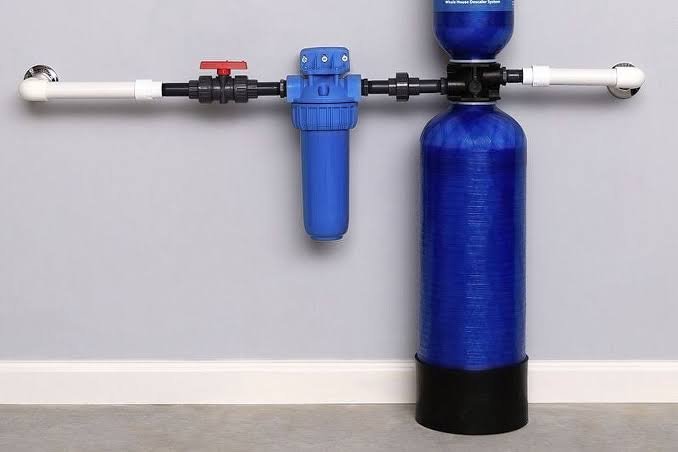
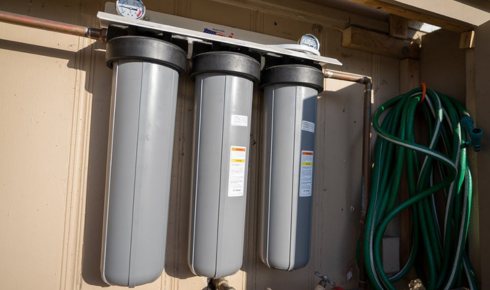
Instead of treating only drinking water at one faucet, these systems address water entering the home itself. That means showers, laundry, dishwashers, sinks — everything benefits from cleaner or more balanced water.
For some families, the difference feels surprisingly noticeable.
Soap lathers better. Clothes stay softer. Fixtures develop less buildup. Water heaters and appliances may last longer because they aren’t constantly fighting mineral accumulation inside.
It’s not exactly glamorous dinner-table conversation, but it changes how a home feels day to day.
The Taste of Water Matters More Than People Admit
Most people can tell when water tastes “off,” even if they can’t explain why.
Sometimes it’s metallic. Sometimes slightly bitter. Occasionally it carries that heavy chlorine taste that reminds you of a public swimming pool. Municipal systems often use chlorine for good reason, of course, but taste still matters when you drink water every single day.
That’s partly why systems like reverse osmosis have become more popular over the years.
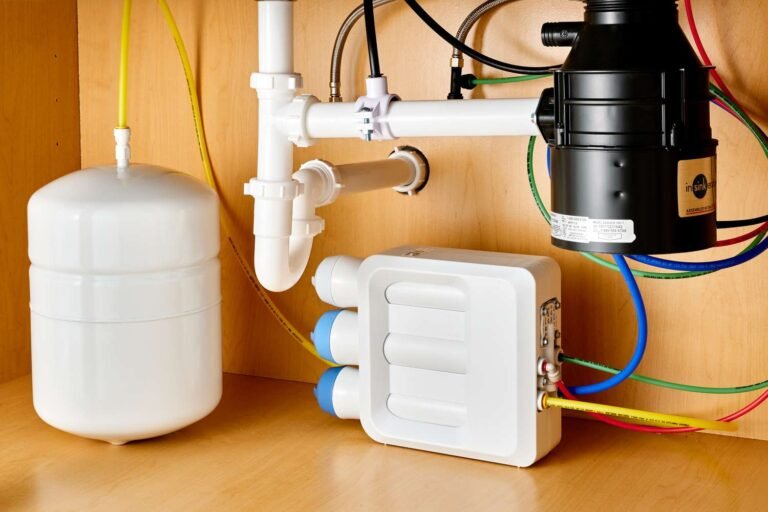
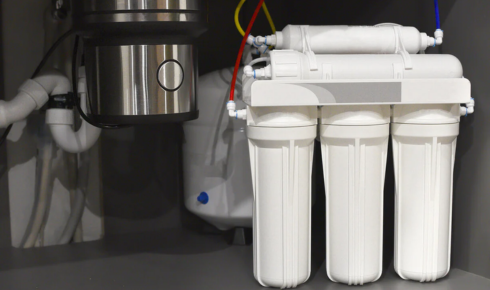
They’re designed to reduce a wide range of dissolved contaminants and impurities, often producing noticeably cleaner-tasting water. Coffee lovers especially seem to notice the difference immediately. Funny enough, tea drinkers do too.
Of course, not every home needs reverse osmosis. That’s important to mention. Some water supplies are already fairly balanced. Others may only need targeted filtration rather than a full purification setup.
Still, when taste and drinking quality become priorities, people often start there.
Hard Water Is More Annoying Than Dangerous
If there’s one issue homeowners constantly underestimate, it’s hard water.
Technically, hard water usually isn’t harmful to drink. But living with it? Different story.
Mineral-rich water leaves residue on faucets, shortens appliance lifespan, dulls laundry colors, and sometimes makes skin feel dry or itchy after showers. Over time, scale buildup can also reduce efficiency inside plumbing systems and heaters.
That’s why water softeners remain one of the most practical upgrades for homes dealing with excessive hardness.
They help reduce calcium and magnesium levels that create scaling and residue. And while that might sound overly technical, the real-life impact is pretty simple: less scrubbing, smoother-feeling water, and fewer maintenance headaches.
Honestly, many people don’t realize how frustrating hard water has been until it’s gone.
Water Quality Is Personal
One thing I’ve noticed talking with homeowners is how emotional water concerns can become. Maybe emotional isn’t the perfect word — but personal, definitely.
Water touches almost every part of daily life. Cooking. Cleaning. Bathing. Even little comforts like morning coffee or a hot shower after work.
So when something feels wrong, people notice it deeply, even if they can’t immediately identify the source.
That’s also why testing matters before buying expensive equipment. A system that works beautifully for one household may be unnecessary for another. Some homes need softening. Others need sediment filtration. Some only require drinking water improvements.
Guessing rarely works well.
Creating a Home That Feels Better Quietly
The best water systems are usually the ones people stop thinking about.
Not because they don’t matter, but because everything simply works the way it should. Glasses look cleaner. Water tastes fresh. Appliances run efficiently. Skin feels less irritated. Life becomes slightly easier in a hundred tiny ways nobody notices all at once.
And maybe that’s the strange beauty of good water quality — it rarely demands attention.
It just quietly improves the background of everyday living.
Not flashy. Not dramatic. Just better.