Most of us don’t spend much time thinking about water. We turn on the kitchen tap while half awake in the morning, fill a kettle, rinse vegetables, maybe grab a quick glass before heading out the door. It’s one of those everyday things that quietly fades into the background — until something changes.
Sometimes the water tastes strange. Sometimes dishes come out spotted no matter how carefully they’re washed. Or maybe the shower leaves your skin feeling oddly dry and tight. Little frustrations like these often get brushed aside for months, even years, before homeowners finally start paying attention.
The truth is, water quality shapes daily life more than we realize. It affects what we drink, how our appliances perform, even how comfortable our homes feel on a regular Tuesday evening.
And lately, more people are beginning to notice.
Why Home Water Quality Matters More Than Ever
There’s been a shift over the last few years. Homeowners are asking more questions about what’s actually flowing through their pipes. Not out of paranoia exactly — more out of awareness.
Municipal water treatment does a good job in many areas, but “safe” doesn’t always mean ideal. Minerals, chlorine, sediment, and other impurities can still impact taste, plumbing, appliances, and long-term household maintenance.
I remember visiting a relative whose tap water always had this faint metallic aftertaste. Everyone in the house had simply gotten used to it. Then they installed a filtration system, and suddenly even making coffee felt different. It sounds dramatic for something as ordinary as water, but small comforts add up.
That’s one reason homeowners are increasingly investing in modern drinking water systems designed to improve both water quality and peace of mind.
Better Water Isn’t Just About Drinking
People often assume water treatment is mainly for cooking and drinking. In reality, water interacts with nearly every corner of a home.
It touches your skin during showers. It runs through washing machines, dishwashers, kettles, coffee makers, and water heaters. Over time, poor-quality water can quietly shorten appliance lifespan and increase maintenance costs without homeowners fully realizing the connection.
Hard water is one of the most common examples.
If you’ve ever noticed chalky white buildup around faucets or struggled with soap that never seems to rinse properly, hard water may be the culprit. Minerals like calcium and magnesium create scale buildup inside pipes and appliances, gradually reducing efficiency.
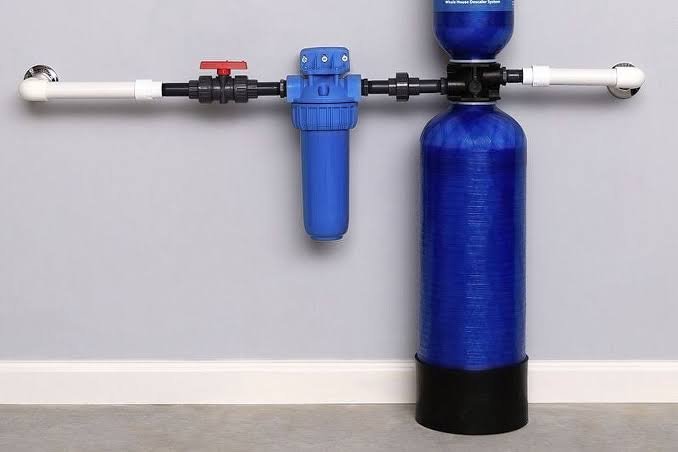
That’s why many households turn to water softeners to reduce mineral content and improve overall water performance throughout the home.
And honestly, the difference can feel surprisingly noticeable. Softer laundry, cleaner dishes, smoother skin — these aren’t life-changing miracles, but they do improve daily comfort in subtle ways.
The Appliance Problem Nobody Talks About Enough
Home appliances are expensive now. Much more expensive than many people remember.
Replacing a water heater, dishwasher, or washing machine earlier than expected can become a frustrating financial hit. What many homeowners don’t realize is that untreated water often plays a major role in wear and tear.
Mineral buildup forces systems to work harder. Sediment can clog internal components. Over time, efficiency drops while energy usage quietly increases.
A plumber once explained it to me in pretty simple terms: “Bad water ages appliances faster.”
That sentence stuck because it’s true. We maintain cars, clean air filters, and service air conditioners regularly, yet water quality often gets ignored even though it affects so many household systems daily.
Filtration Has Become More Advanced — and More Practical
Years ago, home water filtration sometimes felt overly complicated or expensive. Large systems, constant maintenance, confusing terminology — many homeowners simply avoided it altogether.
Today, things are much more accessible.
Modern filtration technology offers options for nearly every household size and budget. Some people only need under-sink filtration for cooking and drinking. Others prefer whole-home systems depending on local water conditions.
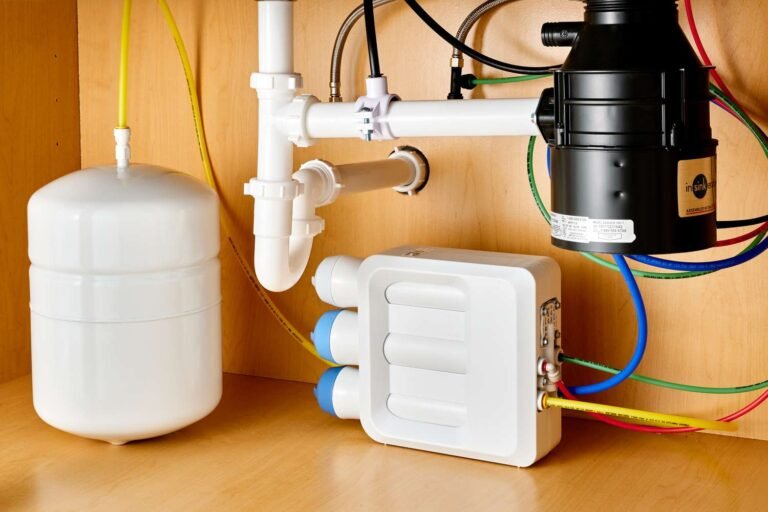
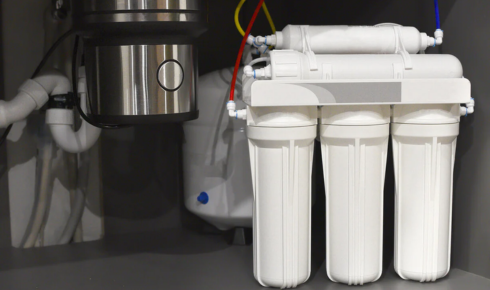
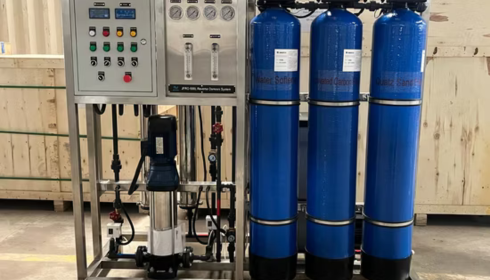
Among the most popular options are reverse osmosis systems, especially for households focused on cleaner tasting water and advanced filtration. These systems remove many impurities at a very fine level, often improving both clarity and taste noticeably.
And perhaps most importantly, newer systems tend to integrate into daily life quietly. Once installed properly, they mostly operate in the background without demanding constant attention.
That convenience matters because nobody wants another complicated thing to manage at home.
There’s Also a Peace-of-Mind Factor
One thing homeowners rarely mention directly is the emotional side of clean water.
Good water creates confidence. You stop second-guessing the ice cubes in your drink or wondering whether buildup inside pipes is getting worse. You trust what’s coming from the tap a little more.
That feeling becomes especially important for families with young children, older relatives, or anyone simply trying to create a healthier home environment.
And while no filtration system magically solves every water concern overnight, taking steps toward better quality often feels proactive rather than reactive — which is honestly refreshing.
Choosing the Right Solution Takes Some Thought
Not every home needs the same setup. Water conditions vary widely depending on location, plumbing age, and whether the property uses municipal or well water.
That’s why testing and professional recommendations are useful before investing in equipment. Buying the most expensive system doesn’t automatically mean buying the right one.
Sometimes a basic filter solves the issue perfectly. Other times, layered treatment systems make more sense.
The goal should always be practical improvement, not unnecessary complexity.
Final Thoughts
Water may seem ordinary, but it quietly shapes everyday life in ways most people don’t fully appreciate until problems appear.
Cleaner, softer, better-tasting water improves small daily experiences — morning coffee, hot showers, laundry, cooking, even appliance reliability. And while homeowners often focus heavily on furniture, flooring, or décor upgrades, improving water quality can make a house feel more comfortable from the inside out.
Sometimes the best home improvements aren’t the flashy ones people notice immediately. Sometimes they’re the quiet upgrades that simply make life feel a little easier every single day.