Most of us don’t really think about water until something feels off.
Maybe the tap starts leaving a strange taste in your mouth. Maybe your coffee suddenly tastes dull, even though you bought the same beans you always do. Or maybe you notice white marks around faucets and assume it’s “just normal.” Funny enough, those little signs are often your home trying to tell you something.
Water is one of those everyday things we completely rely on but rarely stop to appreciate. It’s there when we brush our teeth half-awake in the morning, cook dinner after work, wash clothes on weekends, or fill a glass in the middle of the night. Quietly essential. Constant.
And yet, many homeowners know more about their Wi-Fi speed than the condition of the water running through their pipes.
The Everyday Impact of Water at Home
People often associate water issues with dramatic situations — contamination warnings or major plumbing problems. But in reality, poor water conditions usually show up in smaller, less obvious ways first.
Soap doesn’t lather properly. Glassware looks cloudy even after washing. Skin feels dry after showers. Hair becomes harder to manage. Sometimes there’s a faint odor you can’t quite identify but notice every single time you run the faucet.
These things may sound minor individually, but together they shape daily comfort more than people realize.
That’s why conversations around water quality have become more common lately. Homeowners are paying closer attention not just to safety, but also to how water affects routine living.
Because honestly, when water improves, the whole house feels different somehow.
Why Taste Matters More Than People Admit
Here’s something interesting: people will tolerate bad-tasting tap water for years without questioning it.
They’ll buy bottled water, flavor powders, expensive coffee syrups — anything except fixing the actual issue. And to be fair, sometimes the taste problem comes from harmless minerals or chlorine treatment. Other times, it points toward something that deserves a closer look.
Good drinking water doesn’t necessarily taste like “nothing.” It just tastes clean. Fresh. Easy to drink.
I remember visiting a cousin who had recently upgraded their filtration system, and the difference caught me off guard. The water felt smoother somehow, if that makes sense. Suddenly I realized I’d been so used to slightly metallic-tasting tap water that I stopped noticing it altogether.
That’s the tricky part about gradual changes. You adapt until you experience something better.
Homes Have Different Water Challenges
No two houses deal with water in exactly the same way.
A rural home using well water faces different concerns than a downtown apartment connected to city infrastructure. Older homes may have aging pipes that affect taste or appearance. Hard water is common in some regions, while others struggle more with chlorine, sediment, or sulfur odors.
That’s why generalized advice online can only help so much.
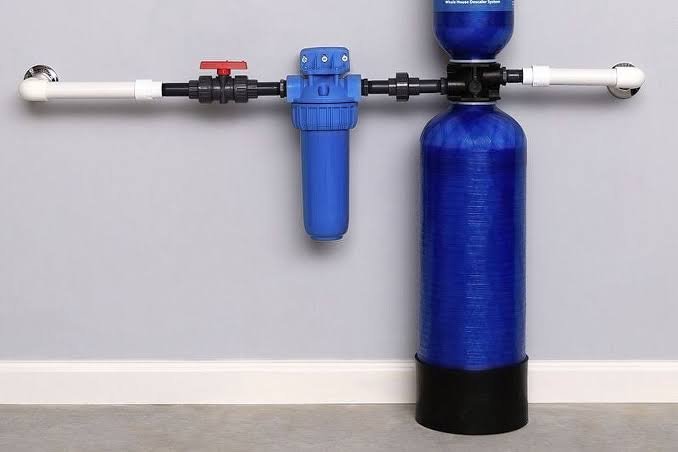
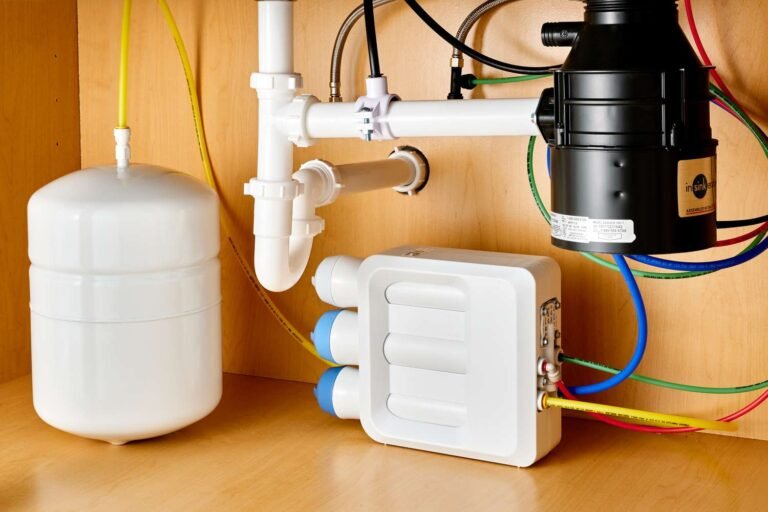
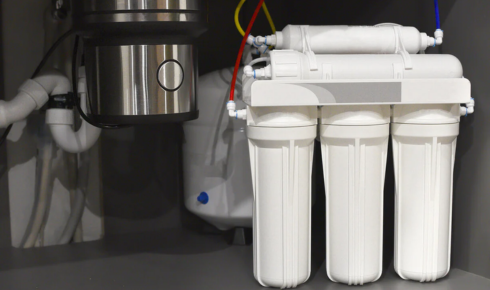
A neighbor’s perfect setup may not solve your issue at all. Some homes benefit from simple under-sink filters. Others need broader residential water treatment systems that support the entire house, including showers, appliances, and laundry.
And honestly, that’s okay. Water solutions shouldn’t be trendy purchases. They should fit the actual needs of the household.
The Quiet Damage Water Can Cause
One thing many people overlook is how water affects appliances and plumbing over time.
Hard minerals can slowly build inside water heaters, dishwashers, and washing machines without anyone noticing until efficiency drops. Faucets collect residue. Showerheads clog faster. Pipes experience gradual wear that becomes expensive years later.
It’s rarely dramatic at first. More like slow, steady stress on everything connected to the water supply.
That’s part of why preventative maintenance matters. Not because homeowners are trying to create “perfect” water, but because small improvements now often prevent larger frustrations later.
Even something as basic as replacing old filters regularly can make a noticeable difference.
There’s Comfort in Trusting Your Tap
This may sound simple, but being able to trust your home water changes everyday life in subtle ways.
You stop hesitating before filling a glass. You spend less money on bottled water. Coffee tastes more consistent. Cooking feels easier. Guests don’t quietly ask for bottled drinks instead.
And showers? Surprisingly better too.
People often focus only on drinking water, but softer, cleaner water affects skin and hair in ways many homeowners notice almost immediately. Especially during colder months when dry skin already becomes an issue.
It’s one of those upgrades that doesn’t scream for attention, yet quietly improves dozens of daily routines.
Paying Attention to Water Is Really About Paying Attention to Home
At the end of the day, water isn’t just another utility bill. It’s woven into nearly every part of home life.
The meals we cook. The laundry we fold. The showers that help us wake up before work or relax after a long day. Water touches almost everything, even when we barely notice it.
And maybe that’s the bigger point here.
Taking water seriously isn’t about obsessing over gadgets or chasing perfection. It’s about creating a home that feels healthier, more comfortable, and easier to live in every day.
Sometimes the most meaningful home improvements aren’t the flashy ones people post online. Sometimes it’s simply turning on the faucet and knowing the water flowing out feels clean, reliable, and right.