Most of us only notice water when it gives us a reason to. A strange smell from the tap. Brownish stains around the sink. A glass that tastes a little too much like metal or chlorine. Or maybe nothing obvious at all, just that nagging feeling that the water in the house is not quite as clean or consistent as it should be.
Water is easy to take for granted because it is always there, quietly doing its job. We drink it, cook with it, wash clothes, clean dishes, water plants, bathe kids, fill pet bowls, and run appliances through it every single day. When the quality is good, nobody talks about it much. When it is poor, though, it can affect nearly every corner of a home or business.
That is why understanding water quality is not just about solving one problem. It is about knowing what is happening before small issues become expensive ones.
Why Water Problems Can Be Hard to Spot
Clear water does not always mean perfect water. That sounds a bit dramatic, but it is true. Some minerals, chemicals, and contaminants cannot be seen by the eye. Others only show up after months of use, like scale on fixtures, cloudy glassware, or stains in toilets and tubs.
Hardness, sediment, iron, bacteria, chlorine, sulphur odours, and changing pH levels can all affect water in different ways. Some issues are mostly about taste and comfort. Others may damage plumbing, reduce appliance efficiency, or create real concerns about long-term use.
This is where testing and observation matter. If the water smells odd, leaves residue, changes colour, or suddenly tastes different, it should not be ignored. A small sign may be the first clue that something deeper needs attention.
The Value of Watching Water Over Time
Water quality is not always fixed. It can change with seasons, weather, plumbing conditions, nearby construction, source changes, or well performance. A one-time test is helpful, yes, but in some situations ongoing observation gives a much better picture.
Modern water monitoring systems help homeowners and businesses keep track of important water conditions instead of waiting for a problem to become obvious. These systems can be especially useful where water quality affects equipment, operations, safety, or peace of mind.
For a busy household, that might mean catching a change before it affects daily use. For a business, it could mean avoiding downtime, protecting equipment, or maintaining consistent water standards. It is not about being overly cautious. It is simply a smarter way to manage something used every day.
When Your Water Comes from a Well
Private wells give many property owners independence, but they also come with responsibility. Unlike municipal water supplies, well water is not continuously managed by a city or local authority in the same way. The homeowner or property owner has to pay closer attention.
Well water can contain minerals, sediment, iron, manganese, sulphur smells, bacteria, or other local ground-related concerns. Heavy rain, drought, nearby land use, or aging well equipment may also influence quality. Sometimes the water is fine for years and then slowly changes. Other times, a sudden issue appears after a storm or plumbing repair.
Proper well water treatment begins with testing, not guessing. Once the actual issue is known, the right system can be selected, whether that means filtration, softening, disinfection, iron removal, sediment control, or a combination of methods.
Homes and Businesses Need Different Thinking
A family home and a commercial property may both need better water, but their priorities are often different. At home, the focus may be taste, bathing comfort, laundry, appliance protection, and safe drinking water. People want water that feels clean, tastes pleasant, and does not leave annoying stains or buildup everywhere.
In a business, the stakes can be higher. Restaurants, offices, hotels, salons, laundries, healthcare spaces, and industrial facilities may rely on water for service quality and daily operations. Poor water can affect coffee, ice, food preparation, cleaning results, boilers, dishwashers, pipes, and customer experience.
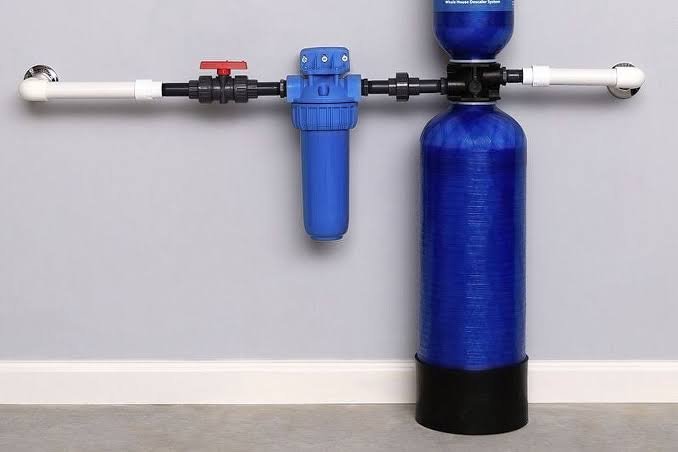
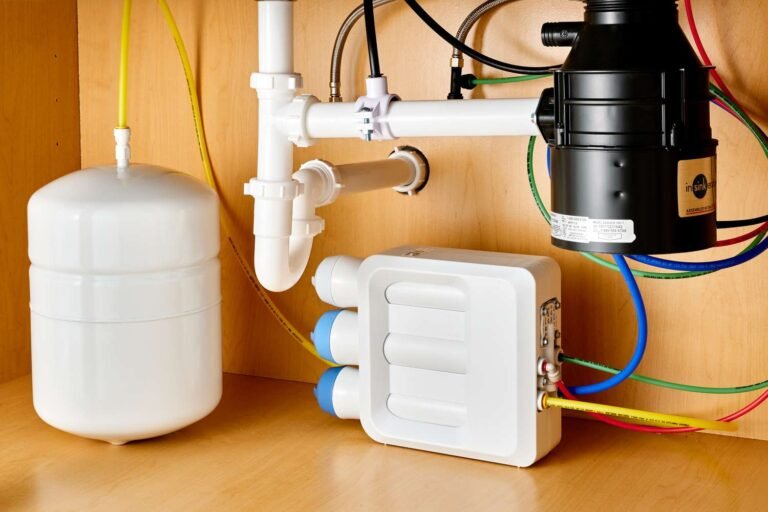
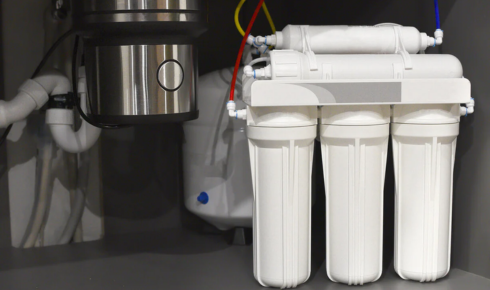
That is why professional water quality solutions should be matched to the property, usage, and specific water concerns. A small under-sink filter might be perfect in one place, while another building may need a larger whole-property system with ongoing maintenance.
The Right System Should Fit the Real Problem
One mistake people often make is buying the biggest or most expensive system and assuming it must be the best. Water treatment does not work that way. The best system is the one that solves the actual problem without creating unnecessary complexity.
For example, if the issue is hardness, a softener may be needed. If the concern is taste or odour, filtration may be the better answer. If bacteria are present, disinfection becomes important. If sediment is clogging fixtures, the first step may be a sediment filter before anything else.
A good provider will look at test results, ask how the water is used, and recommend something practical. Not flashy. Not overbuilt. Just right for the situation.
Better Water Is a Quiet Kind of Upgrade
The funny thing about improving water is that the benefits often feel small at first. The coffee tastes cleaner. The shower feels better. The laundry comes out softer. The dishwasher leaves fewer spots. Fixtures stay cleaner for longer. Nobody throws a party over it, but day by day, it makes life easier.
For businesses, the improvements can be even more noticeable behind the scenes. Less scale, fewer service issues, better product consistency, happier staff, and fewer customer complaints. Clean water may not be the first thing people see, but it often supports the things they do notice.
Start with Awareness, Not Assumptions
Good water care starts with paying attention. Notice the smell, taste, colour, stains, buildup, and changes over time. Test when something seems off. Ask questions before choosing equipment. And remember that water quality is not just a technical detail hidden behind the walls.
It is part of daily comfort, health habits, property care, and business reliability.
When water is right, life runs smoother. You may not think about it every time you turn on the tap, and that is kind of the point. Reliable water should feel simple, natural, and quietly dependable.