A swimming pool depends on more than clean water and regular skimming. Pumps, filters, heaters, valves, plumbing, and other mechanical components work together to maintain proper circulation and water quality. When one component begins showing signs of trouble, timely pool equipment repair from Valley Pools can help prevent a minor issue from becoming a larger and more expensive concern.
For Arizona homeowners, dependable pool equipment is especially important. High temperatures, intense sunlight, dust, wind, evaporation, and frequent swimming can place additional demands on pool systems throughout the year. Understanding common warning signs and knowing when professional service is necessary can help protect the pool and support reliable performance.
Why Pool Equipment Repair Matters
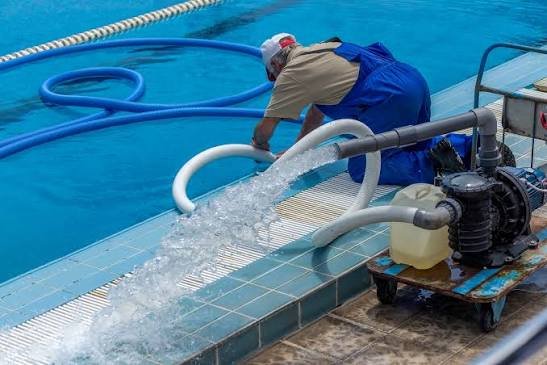
Pool equipment plays a central role in maintaining a functional swimming environment. The pump moves water through the circulation system, while the filter removes debris and unwanted particles. Heaters, valves, plumbing lines, chlorination systems, and other components also contribute to proper pool operation.
When equipment does not function correctly, the effects can become noticeable throughout the pool. Weak circulation may allow debris to remain suspended in the water, while filtration problems can contribute to cloudy water. A malfunctioning pump may also place unnecessary stress on other components.
Professional pool equipment repair focuses on identifying the underlying cause of a problem rather than simply addressing the most visible symptom. A proper inspection can determine whether a component requires cleaning, adjustment, repair, or replacement.
Addressing problems early can also make maintenance more manageable. Small issues may become more complicated when ignored, particularly when a damaged component continues operating under strain.
Common Signs Your Pool Equipment Needs Attention
Recognizing early warning signs gives homeowners an opportunity to respond before equipment problems interrupt regular pool use. Some symptoms may appear gradually, while others can develop suddenly.
Common signs include:
- Unusual sounds coming from the pump or motor
- Weak or inconsistent water circulation
- Visible leaks around pool equipment
- Unexplained changes in filter pressure
- Air bubbles returning through pool jets
- Equipment that repeatedly turns off
- Cloudy water despite normal chemical maintenance
- Reduced water flow
- Equipment that overheats
- Unusual increases in energy consumption
A single symptom does not always identify the exact source of the problem. For example, weak circulation could result from a clogged filter, blocked plumbing, an air leak, or a pump-related issue.
That is why proper diagnosis matters. Instead of replacing a component based only on a symptom, professional service can help determine what is actually causing the problem.
Pool Pump Problems Should Not Be Ignored
The pool pump is one of the most important components in a swimming pool system. It circulates water through the filtration and treatment equipment, helping maintain consistent water movement.
A pump that becomes unusually loud, overheats, leaks, or struggles to maintain normal flow should receive attention. Changes in pump performance can indicate issues involving the motor, impeller, seals, plumbing, or other connected components.
Homeowners should also pay attention to changes in operating sounds. Grinding, rattling, humming, or other unusual noises can indicate that something inside the system is not functioning normally.
Attempting complex pump repairs without the appropriate training can create additional problems. Pool systems may involve electricity, water pressure, moving mechanical components, and specialized equipment. Professional inspection is a safer and more practical option when troubleshooting goes beyond basic maintenance.
Filter Performance Affects Pool Water Quality
A pool filter removes debris and particles from circulating water. As the filter collects material, pressure can increase and water flow may become restricted.
Regular filter maintenance is important, but cleaning does not resolve every filtration problem. Damaged filter elements, worn seals, cracked housings, faulty valves, or persistent pressure issues may require professional attention.
If pool water remains cloudy even after routine cleaning and proper chemical balancing, the filtration system deserves consideration. Poor circulation and inadequate filtration can make it difficult to maintain consistently clear water.
Monitoring filter pressure can provide useful information. Sudden or persistent changes may indicate restricted flow or another equipment issue that needs to be evaluated.
Arizona Pools Face Unique Equipment Demands
Arizona’s climate creates specific challenges for residential swimming pools. Long periods of intense heat can increase evaporation, while strong sunlight can place additional demands on pool surfaces and equipment. Wind can also introduce dust, leaves, and other debris into the water.
Frequent swimming during hot weather increases the need for consistent circulation and filtration. These conditions make routine equipment checks particularly valuable for homeowners who want to keep their pools ready throughout the swimming season.
A practical maintenance routine can include:
- Inspect equipment regularly. Look for leaks, unusual sounds, corrosion, and visible damage.
- Monitor water circulation. Pay attention to changes in return-jet pressure or overall water movement.
- Check filter pressure. Unexpected pressure changes may indicate restricted flow or another problem.
- Keep the equipment area clean. Remove leaves, dirt, and other debris around the equipment.
- Watch for recurring problems. Repeated equipment shutdowns or circulation issues should not be ignored.
- Schedule professional service when needed. Persistent symptoms deserve proper diagnosis.
Consistent observation does not replace professional maintenance, but it can help homeowners notice problems earlier.
Repair or Replace? Understanding the Difference
Not every equipment problem requires complete replacement. Some issues can be resolved through cleaning, adjustment, replacement of a small component, or targeted repair.
The appropriate solution depends on several factors, including equipment age, overall condition, repair history, availability of replacement parts, and the extent of the damage. A professional evaluation can provide useful information before a homeowner decides whether repair or replacement makes more financial sense.
Older equipment may eventually require frequent service. If repairs become increasingly common or replacement parts are difficult to obtain, upgrading the system may be a more practical long-term decision.
Pool equipment installation may also become necessary when an existing pump, filter, heater, salt system, or automation component has reached the end of its service life. Choosing equipment that matches the pool’s size and operating requirements is important for dependable performance.
Maintenance and Repairs Work Together
Pool equipment repair should not be viewed separately from routine pool maintenance. Cleaning and maintenance can help reveal developing equipment problems while supporting consistent circulation and water quality.
Routine service may involve checking equipment performance, inspecting visible components, cleaning filters, monitoring water chemistry, and identifying conditions that could contribute to future problems.
This approach helps homeowners pay attention to both sides of pool care: the water itself and the systems working behind the scenes.
Equipment installation can also become part of a long-term maintenance strategy. When outdated equipment is replaced with an appropriate system, homeowners may gain a more suitable setup for the pool’s current needs.
Regular professional attention can also make it easier to identify gradual changes. A technician familiar with the pool system may notice performance differences that are not immediately obvious to a homeowner.
Choosing a Reliable Pool Service Provider
When equipment problems arise, selecting a dependable pool service provider is important. Homeowners should consider experience, communication, service coverage, pricing transparency, and the provider’s ability to address different aspects of pool care.
A qualified service provider should explain the problem clearly and discuss the available options. Understanding what caused the issue, which component is affected, and whether repair or replacement is recommended gives homeowners better information when making maintenance decisions.
Valley Pools provides pool cleaning, maintenance, repair, and equipment installation services for homeowners in Gilbert, Mesa, Chandler, and surrounding East Valley communities. The company emphasizes experienced technicians, licensed and insured service professionals, transparent pricing, and customer-focused communication.
Local knowledge can also be valuable. Arizona pools operate under environmental conditions that differ from many other regions, making familiarity with the area’s climate and common pool-care challenges an important consideration.
Prevent Small Equipment Problems From Becoming Larger
Pool equipment problems do not always begin with a complete system failure. Changes in water flow, unusual sounds, leaks, pressure readings, or equipment performance can provide early indications that something requires attention.
Ignoring these signs can allow a developing issue to place additional strain on other components. In some cases, a small repair may become more complicated when the underlying problem continues unchecked.
Scheduling professional pool equipment repair when warning signs appear can help homeowners maintain reliable circulation and reduce the likelihood of unexpected disruptions. Combining timely repairs with routine cleaning and maintenance provides a more complete approach to pool care.
Keep Your Pool Ready for Every Swim
A dependable swimming pool requires more than occasional cleaning. Pumps, filters, plumbing, heaters, valves, and other equipment must work together to support circulation, filtration, and overall pool performance.
For Arizona homeowners, regular attention is particularly valuable because heat, dust, sunlight, evaporation, and frequent pool use can place additional demands on equipment. Recognizing warning signs and responding promptly can help prevent avoidable equipment problems from affecting the swimming experience.
Valley Pools offers professional pool cleaning, maintenance, repair, and equipment installation services for homeowners throughout Gilbert, Mesa, Chandler, and nearby East Valley communities. When equipment begins operating differently, professional pool equipment repair can provide the evaluation and service needed to keep the system functioning properly.
A well-maintained pool system supports cleaner water, dependable circulation, and greater peace of mind. Taking action when equipment shows signs of trouble is a practical step toward keeping the pool comfortable, functional, and ready for the next swim.