Most people don’t think about their water until it starts acting up. It’s just there, running from the tap, filling the kettle, rinsing shampoo from your hair, cleaning plates after dinner. Quiet, ordinary, easy to ignore. Then one day you notice a cloudy film on the shower door, or the kettle has that chalky crust again, or your freshly washed glasses somehow look like they’ve been sitting in dust.
That’s usually when hard water begins to make itself known.
Hard water isn’t dramatic. It doesn’t burst into the room waving a red flag. It leaves hints instead. Small, annoying, everyday hints that slowly become part of the house if you don’t pay attention.
The Hidden Trouble Inside Your Pipes
One of the biggest signs of hard water is scale buildup. It often starts inside places you can’t easily see — pipes, water heaters, faucets, showerheads, washing machines. Over time, minerals like calcium and magnesium settle and harden. Bit by bit, they reduce water flow, strain appliances, and make plumbing work harder than it should.
You might notice your shower pressure isn’t quite what it used to be. Maybe the tap sprays strangely. Maybe your water heater takes longer to do its job. These things are easy to blame on age, and sometimes age is part of it, sure. But mineral deposits can speed everything up in the wrong direction.
The frustrating part is that hard water damage often feels invisible until repairs become expensive. A small crust around a faucet is one thing. A clogged pipe or tired water heater is another.
Why Clean Dishes Still Look Dirty
There’s something oddly irritating about unloading the dishwasher and seeing spots on dishes. You know they’re clean. You used detergent. The machine ran properly. And yet, the glasses look cloudy, the plates have faint marks, and cutlery doesn’t shine the way it should.
That cloudy residue is usually mineral content left behind as water dries. It doesn’t always mean poor cleaning habits or a bad dishwasher. In many homes, it’s simply the water fighting the process.
People often try stronger soaps, rinse aids, vinegar tricks, or extra wash cycles. Some of that may help for a while. But when the water itself is full of minerals, the problem tends to come back. Again and again. It’s like wiping dust from a table while the window is still open during a storm.
Your Skin and Hair May Notice It Too
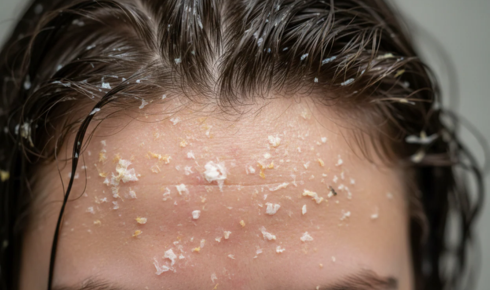
Hard water doesn’t just bother appliances and dishes. It can make daily routines feel a little less comfortable. Many people with hard water complain about dry skin & dull hair, especially after bathing. Soap may not lather well, shampoo may feel harder to rinse out, and skin can feel tight even after using moisturizer.
It’s not that the water is unsafe in most cases. It’s more that minerals interfere with how soaps and cleansers work. A light residue can stay behind on skin and hair, leaving you feeling not quite clean. Hair may seem flat, rough, or harder to manage. Skin can feel itchy, especially during dry weather.
Of course, many things affect skin and hair — climate, products, diet, age, all of that. But if the problem gets worse after moving homes or changing water sources, your water could be part of the story.
Appliances Work Harder Than They Should
A home full of hard water can quietly shorten the life of everyday appliances. The water heater is usually one of the first victims. Mineral deposits collect at the bottom of the tank, making it less efficient. It may use more energy to heat the same amount of water, which can nudge utility bills upward.
Washing machines and dishwashers don’t love hard water either. Detergent doesn’t dissolve or perform as smoothly. Clothes may feel stiff or fade sooner. Towels can lose that soft, fresh feel and become scratchy, which nobody enjoys after a shower.
Even small appliances feel it. Coffee makers, kettles, humidifiers — they all collect mineral residue over time. You clean them, and then you clean them again. After a while, it becomes another chore you never really signed up for.
Why Soap Feels Different in Hard Water
One of the simpler ways to notice hard water is by how soap behaves. In soft water, soap lathers easily and rinses cleanly. In hard water, it can feel stubborn. You may use more shampoo, more body wash, more dish soap, and still feel like it isn’t doing enough.
That’s because minerals react with soap and reduce its effectiveness. Instead of creating a rich lather, the soap can form a sticky residue. This residue may cling to sinks, tubs, tiles, clothing, and even your skin.
It’s a small detail, but it affects daily life. You spend more on cleaning products. You scrub more often. Bathrooms lose their shine faster. Laundry doesn’t feel as fresh. None of it is catastrophic, but it is tiring.
What Homeowners Can Do About It
The first step is testing your water. Guessing can lead to wasted money. A basic water test can show hardness levels and help you understand what you’re dealing with. Some homes only have mild hardness and need simple maintenance changes. Others may benefit from a full water softening system.
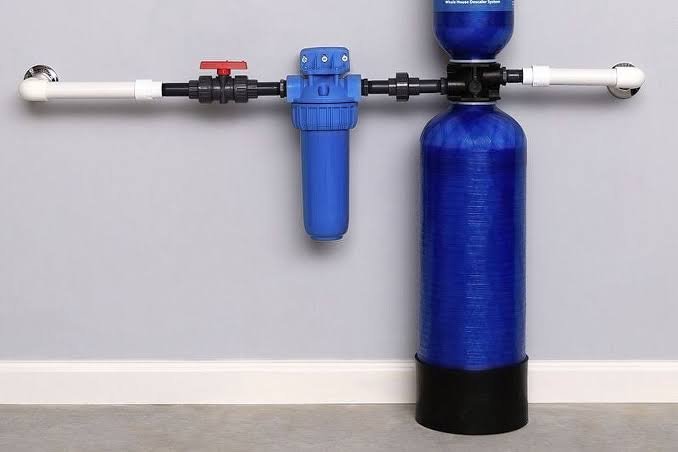
A water softener works by reducing the minerals that cause hardness. For many households, this means fewer stains, better soap performance, cleaner fixtures, softer laundry, and longer-lasting appliances. It’s not glamorous, exactly, but it can make a home feel easier to manage.
Regular maintenance matters too. Clean showerheads, flush the water heater as recommended, descale small appliances, and keep an eye on faucets or fixtures where minerals collect. Prevention is usually cheaper than repair.
A Small Change That Can Make Home Life Easier
Hard water is one of those problems that doesn’t always feel urgent. You can live with it. Many people do for years. But once you understand the signs, it becomes easier to see how much extra work it creates around the house.
The cloudy glasses, the stiff towels, the dull hair days, the crusty faucet edges — they’re not random. They’re clues.
And sometimes, improving your water is less about luxury and more about relief. Less scrubbing. Less waste. Fewer appliance headaches. A shower that actually feels refreshing. Clean dishes that look clean. Small comforts, yes, but homes are built out of small comforts. That’s where daily life happens.