Clean water is one of those things most people don’t think about until something feels off. Maybe the glass looks a little hazy. Maybe the shower leaves your skin dry. Or maybe the tap water tastes a bit like a swimming pool, which is never exactly comforting first thing in the morning. Water can look simple, but there’s often a lot happening inside it that you can’t see at a glance.
That’s why understanding common water issues is so useful. You don’t need to become a water scientist, honestly. But knowing a few signs, a few terms, and when to ask for help can make a big difference for your home, your plumbing, and even your daily comfort.
The First Clue Is Often What You Can See
One of the easiest problems to notice is sediment or cloudiness in your water. Sometimes it looks like tiny particles floating around. Other times, the water appears milky for a few seconds before clearing up. In some homes, this can come from harmless air bubbles, but it can also point to dirt, rust, sand, or mineral buildup moving through the pipes.
If you use well water, sediment can be more common, especially after heavy rain, plumbing repairs, or changes in groundwater levels. City water can have it too, particularly when old pipes or nearby utility work stir things up. A little cloudiness once in a while may not be a crisis, but if it keeps happening, it deserves attention.
Taste and Smell Matter More Than People Think
Water doesn’t have to taste fancy. Still, it should taste clean. When it has a metallic, salty, earthy, or chemical-like flavor, something is probably affecting it. Many homeowners simply get used to strange-tasting water over time, which is understandable, but not ideal.
A metallic taste may come from iron, copper, or aging plumbing. A musty odor can sometimes be linked to organic material or stagnant water. Rotten-egg smells are often associated with sulfur-related compounds, especially in well systems. None of these signs should be ignored, because water problems usually don’t fix themselves. They tend to sit quietly in the background until the signs become harder to miss.
Understanding What Dissolved Solids Mean
You may hear the term TDS total dissolved solids when talking about water testing. It sounds technical, but the idea is fairly simple. TDS refers to the amount of dissolved minerals, salts, metals, and other tiny substances present in the water. These things are not always bad. In fact, some minerals naturally occur in water and may not cause concern at normal levels.
The issue is balance. High TDS can affect taste, leave spots on glassware, create scale in appliances, and make water feel less fresh. It doesn’t always mean the water is unsafe, but it does mean the water should be checked more closely. A proper test can show whether the dissolved solids are harmless minerals or something that needs treatment.
The Chemical Side of Tap Water
Many municipal water systems use chlorine or treatment chemicals to disinfect water and reduce harmful bacteria. This is a normal part of public water treatment, and it helps keep water safer as it travels through long pipe networks. But once that water reaches your home, the leftover taste or smell may not be pleasant.
Some people notice a strong chlorine odor when they fill a glass or run a hot shower. Others may feel their skin or hair gets dry after bathing. While treatment chemicals serve an important purpose, a home filtration system can often reduce the taste and smell without removing the benefits of properly treated water at the source.
Why Plumbing and Appliances Give Warning Signs
Water quality doesn’t only affect drinking water. It quietly works its way through your whole home. Hard water minerals can build up inside water heaters, dishwashers, washing machines, faucets, and showerheads. Over time, that buildup can reduce efficiency and shorten the life of equipment.
You might notice white spots on dishes, stiff laundry, low water pressure, or crusty deposits around fixtures. These small annoyances are often symptoms of a larger water condition. It’s a bit like hearing a rattle in your car — maybe it’s nothing major, but it’s better to check before it turns expensive.
Testing Takes the Guesswork Out
Guessing based on taste or appearance only gets you so far. Water testing gives you a clearer picture of what’s actually going on. A good analysis may check hardness, pH, iron, manganese, chlorine levels, TDS, bacteria, nitrates, and other concerns depending on your water source.
For homes with wells, testing is especially important because the homeowner is usually responsible for monitoring water safety. For city water, testing can still be helpful because water can change after it leaves the treatment facility and travels through local or household pipes.
Choosing the Right Treatment Approach
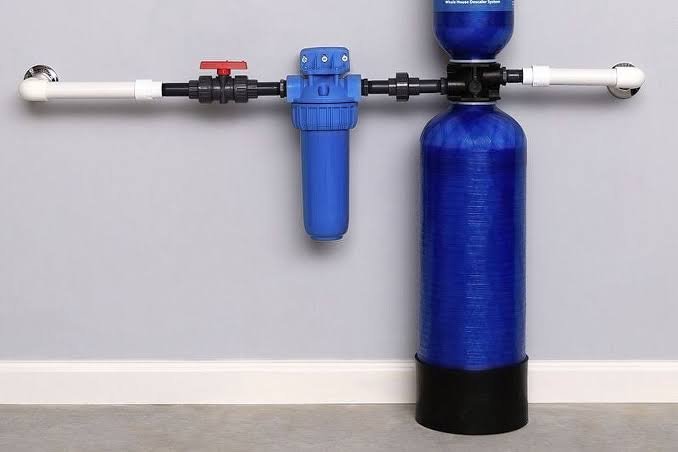
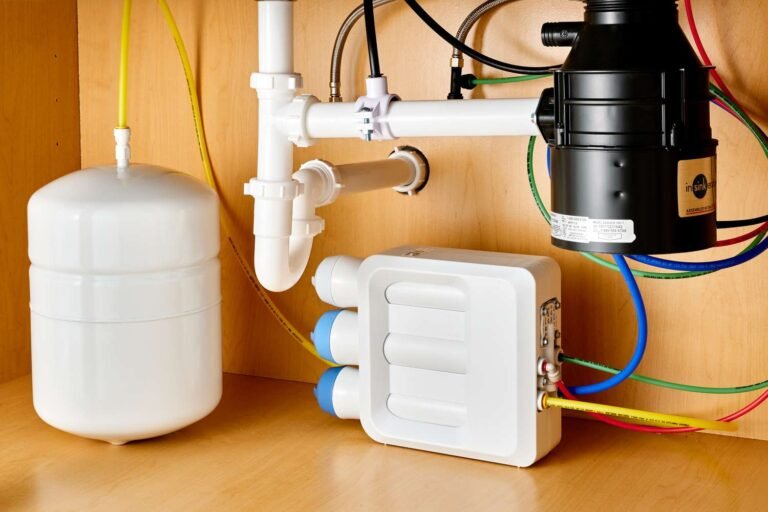
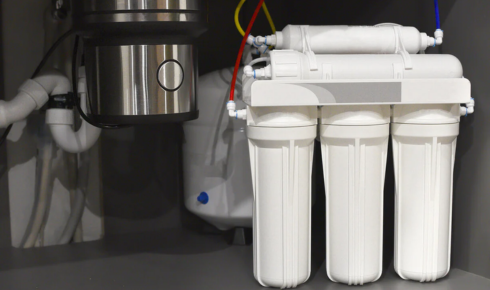
There isn’t one perfect filter for every home. That’s where people sometimes get confused. A carbon filter may help with taste and odor. A water softener may reduce hardness. A reverse osmosis system may be useful for drinking water concerns. Sediment filters can catch particles before they reach fixtures and appliances.
The best solution depends on the actual problem. Installing equipment without testing first can waste money or leave the main issue untreated. A thoughtful approach starts with testing, then matches the system to the water condition.
Better Water Is a Daily Comfort
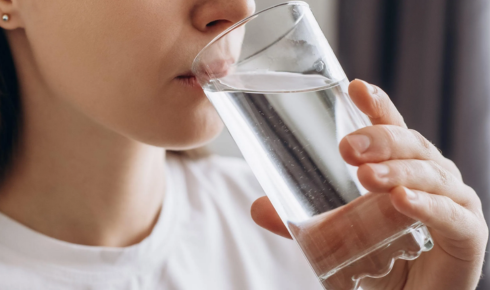
Good water doesn’t always call attention to itself. It just feels normal. Coffee tastes better. Showers feel cleaner. Appliances work more smoothly. Glasses come out clearer. These small things add up, even if you don’t notice them all at once.
Water quality is not just about avoiding problems. It’s about making the home feel healthier, easier to maintain, and more comfortable day after day. And honestly, once you know what’s in your water, it’s hard to go back to guessing.
A simple test, a little understanding, and the right treatment can turn uncertain tap water into something you actually trust.