Most people don’t think much about their water until it starts leaving little hints around the house. A cloudy glass here, a tight feeling on the hands there, maybe hair that just refuses to look fresh no matter which shampoo bottle is sitting in the shower. It’s easy to blame the dishwasher, the weather, or even the soap. And sometimes, sure, those things play a part. But often, the real issue is hiding in plain sight — the water itself.
Water travels a long way before it reaches a kitchen tap or showerhead. Along that journey, it can pick up minerals like calcium and magnesium. These minerals aren’t always harmful, but when there’s too much of them, they can make everyday routines feel a bit more frustrating than they need to be.
When Clean Dishes Don’t Look Clean
One of the first signs many homeowners notice is on glassware. You run the dishwasher, unload everything, and instead of sparkling cups, you get cloudy marks and spotted dishes. It’s annoying, especially when the dishes are technically clean but still look like they were rinsed in dusty water.
Those white spots are usually mineral residue left behind after water evaporates. The harder the water, the more visible the marks can become. Some people try switching detergents, adding rinse aids, or hand-drying every plate and cup. These tricks may help a little, but they don’t always solve the deeper issue.
Over time, mineral buildup can also affect the dishwasher itself. Spray arms, heating elements, and inner surfaces may collect scale, making the appliance work harder. That means a small cosmetic problem can slowly turn into a performance issue.
The Shower Can Tell You Something Too
Hard water doesn’t just leave marks on dishes. It can also change how your skin feels after bathing. If your hands, arms, or face feel tight and uncomfortable after a shower, the water may be playing a role. Soap doesn’t lather as easily in mineral-heavy water, and it may not rinse away as completely.
That leftover soap and mineral film can contribute to dry skin, especially during colder months or in homes where people already deal with sensitivity. Moisturiser helps, of course, but it can feel like a never-ending cycle when the water keeps stripping away natural oils.
This doesn’t mean every skin issue comes from water. Weather, skincare products, age, and diet all matter too. Still, if several people in the same home notice the same dry feeling, it’s worth paying attention.
Why Hair Sometimes Feels Flat or Lifeless
Hair can be another quiet clue. You wash it, rinse it well, maybe even use a good conditioner, but it still feels heavy or looks tired by the end of the day. Mineral-rich water can leave a coating on the hair shaft, making it harder for shampoo and conditioner to do their job properly.
For some people, this shows up as dull hair that lacks shine and movement. Others notice frizz, dryness, or a strange waxy feeling near the roots. It can be frustrating because it makes you question your products, when the issue may be coming from the shower water itself.
A clarifying shampoo may offer short-term relief, but using strong shampoos too often can create another problem by drying the hair out. That’s why it helps to look beyond the bathroom shelf and consider what’s coming through the pipes.
Small Signs Around the Home
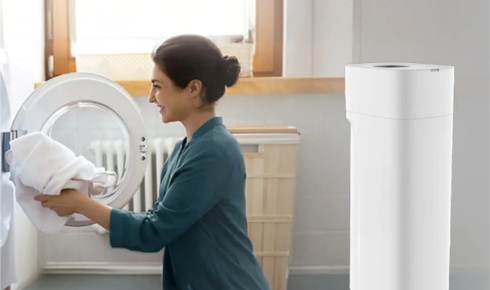
Hard water often leaves evidence in more than one place. You might see chalky buildup around faucets, showerheads, or kettle bottoms. Laundry may feel stiff. Soap may seem to disappear quickly without producing much lather. Even coffee and tea can taste slightly different when mineral levels are high.
None of these signs are dramatic on their own. That’s probably why people ignore them for months or even years. But together, they tell a pretty clear story. Your water may be carrying more minerals than your home can comfortably handle.
What Can Be Done About It?
The best first step is simple: test the water. A home test kit can give a basic idea, while a professional water test can provide more detail. Once you know what’s actually in the water, choosing a solution becomes much easier.
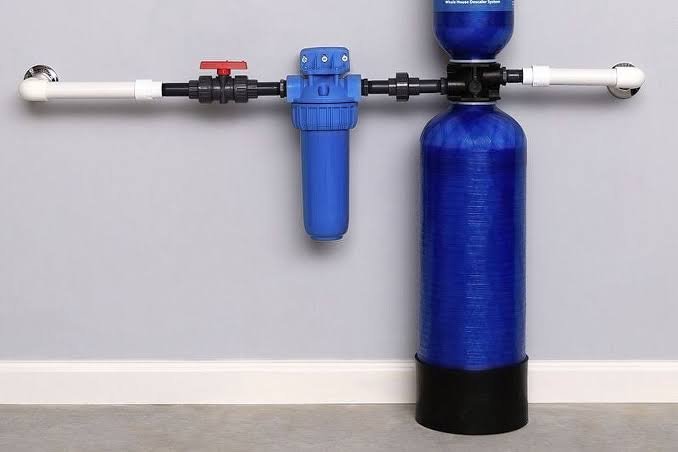
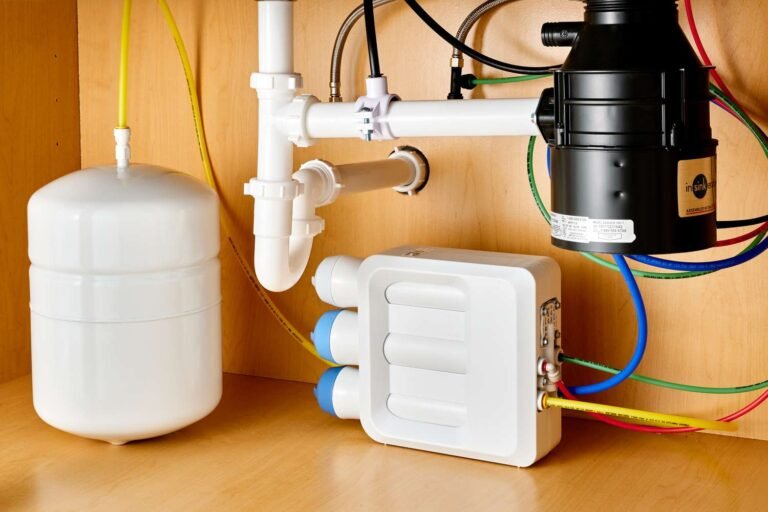
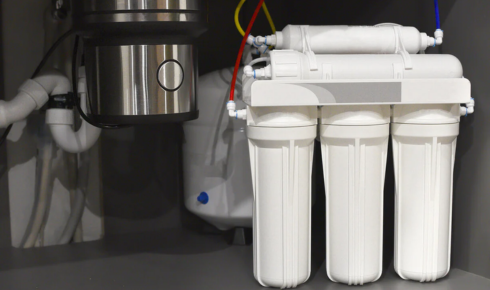
A water softener is commonly used to reduce hardness minerals. In some homes, a whole-house filtration system may also be helpful, depending on the water source and specific concerns. The right option depends on whether the problem is only hardness, sediment, chlorine taste, or a mix of several things.
It’s tempting to guess and buy the first product with good reviews, but water treatment works best when it’s matched to the actual problem. Otherwise, you may spend money and still end up with the same cloudy glasses and uncomfortable showers.
A More Comfortable Home Starts With Better Water
Water is part of nearly everything we do at home — cooking, cleaning, bathing, washing clothes, making coffee before the day gets noisy. When the water is working against you, even small chores feel a little more irritating.
The good news is that these problems usually don’t have to stay permanent. Once you notice the signs and understand what may be causing them, you can take practical steps toward better water and a smoother daily routine. Cleaner-looking dishes, softer-feeling skin, and healthier-looking hair are not tiny luxuries. They’re the kind of simple comforts that make a home feel easier to live in.