Water is one of those everyday comforts that quietly keeps life moving. We use it from the moment we wake up until the end of the day—making coffee, preparing meals, washing clothes, cleaning the house, and taking a relaxing shower before bed. Because it’s always there, we often assume it’s working exactly as it should.
Then something changes.
The water develops a strange taste, your shower doors become covered with stubborn white spots, or the dishwasher starts leaving cloudy marks on every glass. Maybe your skin feels drier than usual, or your water heater doesn’t seem as efficient as it once did. These little frustrations often have one thing in common: your water quality may have changed.
The encouraging news is that most household water issues can be solved with the right information and the proper treatment solution.
Every Home Has Unique Water Conditions
One mistake many homeowners make is assuming that water is the same everywhere. It isn’t.
A house connected to a municipal supply may have completely different water characteristics than a nearby home using a private well. Even two neighboring houses served by the same city water system can experience different conditions because of plumbing age, pipe materials, or household usage patterns.
Water naturally changes over time, too. Seasonal rainfall, underground mineral deposits, aging infrastructure, and routine maintenance on public water systems can all influence what comes out of your tap.
That’s why treating water should always begin with understanding what’s actually in it.
Testing Before Treating Saves Time and Money
It’s tempting to buy the first water filter you see online and hope for the best. Sometimes that works—but often it doesn’t.
Without knowing what’s affecting your water, choosing treatment equipment becomes little more than educated guesswork.
A free water analysis offered by many local water professionals provides valuable insight into hardness levels, iron content, chlorine, pH balance, sediment, total dissolved solids, and other important characteristics.
Once you understand your water, selecting the right equipment becomes much easier. Instead of spending money on products that only partially solve the problem, you can invest in solutions designed specifically for your home’s needs.
Understanding Modern Water Treatment Options
There isn’t a single filtration system capable of solving every possible water concern.
Some homes struggle with sediment. Others experience excessive minerals, chlorine, sulfur odors, or dissolved metals. Each issue requires a slightly different approach.
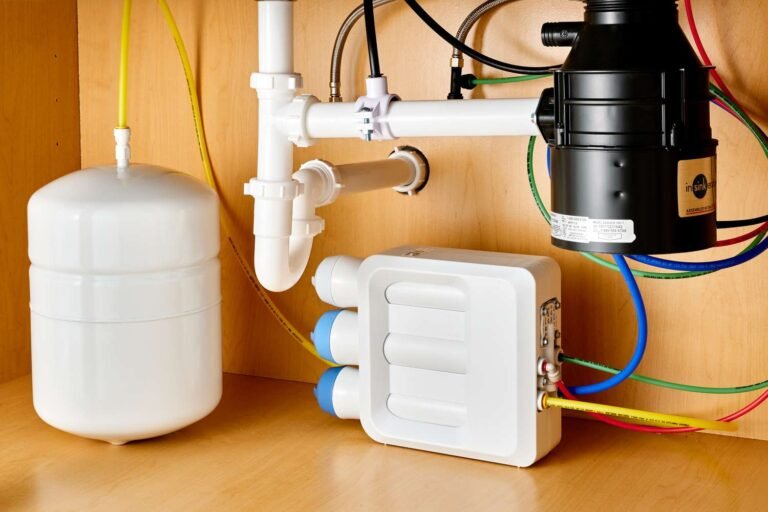
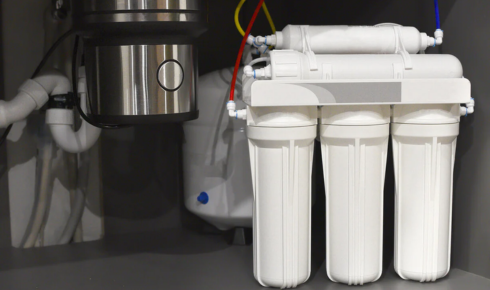
Today’s water treatment systems often combine multiple technologies to create comprehensive solutions. Sediment filters remove suspended particles before they reach plumbing fixtures. Activated carbon improves taste and odor. Reverse osmosis provides highly purified drinking water, while ultraviolet systems offer additional protection against certain microorganisms.
The best treatment plans are usually customized rather than generic.
Why Hard Water Deserves Attention
Hard water is one of the most common household water concerns, especially in areas where groundwater contains naturally occurring calcium and magnesium.
Although these minerals aren’t generally harmful to drink, they create stubborn scale inside water heaters, dishwashers, washing machines, coffee makers, and plumbing systems. Soap becomes less effective, glassware develops cloudy spots, and cleaning often takes more effort than it should.
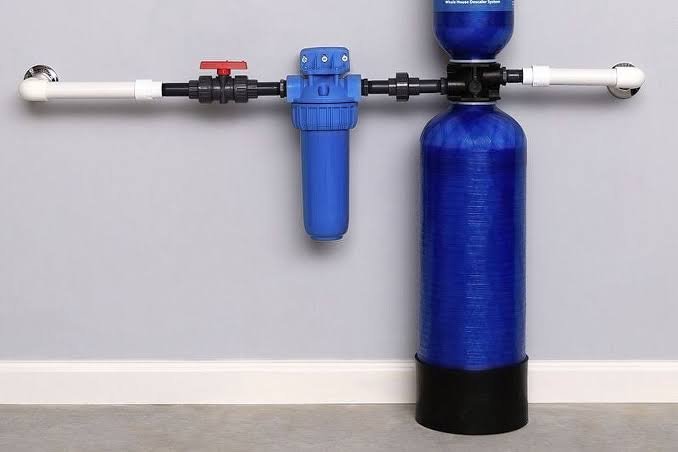
Quality water softeners reduce hardness minerals before they circulate through the home. Many homeowners notice brighter laundry, cleaner fixtures, smoother-running appliances, and softer-feeling skin after installing a properly sized softening system.
It’s one of those improvements that quietly pays for itself over time.
Better Water Helps More Than Your Plumbing
People often think water treatment is only about improving drinking water, but the benefits extend much further.
Cleaner water helps appliances operate more efficiently because mineral buildup is reduced. Washing machines often require less detergent, while dishwashers leave fewer spots behind. Water heaters don’t have to work as hard when scale isn’t accumulating inside the tank.
Even cooking changes in subtle ways. Tea tastes cleaner. Coffee develops a richer flavor. Soups and sauces allow ingredients to shine instead of competing with mineral-heavy water.
Small improvements like these become part of everyday life before you even realize it.
Don’t Ignore the Early Warning Signs
Water quality problems rarely appear overnight.
More often, they develop slowly enough that homeowners adapt without realizing it. Maybe the showerhead needs cleaning more often. Perhaps soap doesn’t lather quite as well as it used to. You notice rust-colored stains around the toilet, or your ice cubes start looking slightly cloudy.
These aren’t necessarily emergencies, but they are valuable clues.
Addressing minor concerns early often prevents expensive plumbing repairs, appliance replacements, and unnecessary maintenance later.
Maintenance Keeps Everything Running Smoothly
Installing a treatment system isn’t the final step.
Like any important home equipment, filtration systems need occasional maintenance. Filter cartridges eventually become saturated, reverse osmosis membranes wear over time, and water softeners require periodic servicing to continue operating efficiently.
Fortunately, most maintenance is simple and inexpensive compared to repairing damaged plumbing or replacing household appliances affected by untreated water.
Routine care helps ensure consistent performance year after year.
Better Water Is an Investment in Everyday Comfort
Some home improvements are immediately visible. Others quietly improve your quality of life every single day.
Water treatment falls into that second category.
You may not think about it each morning, but you’ll appreciate cleaner coffee, brighter dishes, softer towels, reduced appliance maintenance, and fewer mineral deposits throughout your home. Those small improvements gradually become your new normal.
It’s amazing how much difference cleaner water makes once you’ve experienced it.
A Healthier Home Begins with Better Water
Water touches nearly every part of daily life, from preparing meals and washing clothes to protecting appliances and supporting your family’s comfort. When water quality declines, even routine tasks become a little more frustrating.
Fortunately, solving these problems doesn’t require guesswork. By starting with proper testing, understanding your home’s unique water conditions, and selecting treatment equipment designed specifically for those needs, you can enjoy cleaner, fresher water throughout your entire home.
In the end, the best water treatment solution isn’t simply the one with the most features—it’s the one that quietly delivers dependable performance every day, making your home healthier, more efficient, and a little more enjoyable with every turn of the faucet.