There’s a quiet relationship we all have with water. It’s not something we often question—it flows, we use it, and life moves on. But every now and then, something feels just slightly off. Maybe your glass of water tastes a bit metallic, or your bathroom fixtures gather residue faster than they used to. It’s subtle, but it lingers.
And once you notice it, you start wondering if “normal” water is really as normal as it should be.
The Unseen Side of Everyday Water
Most of us assume that if water reaches our homes, it’s good enough. And in many cases, it is safe. But safe doesn’t always mean ideal. By the time water travels through pipes, storage systems, and local infrastructure, it can pick up minerals, sediments, or even odors that weren’t part of the original supply.
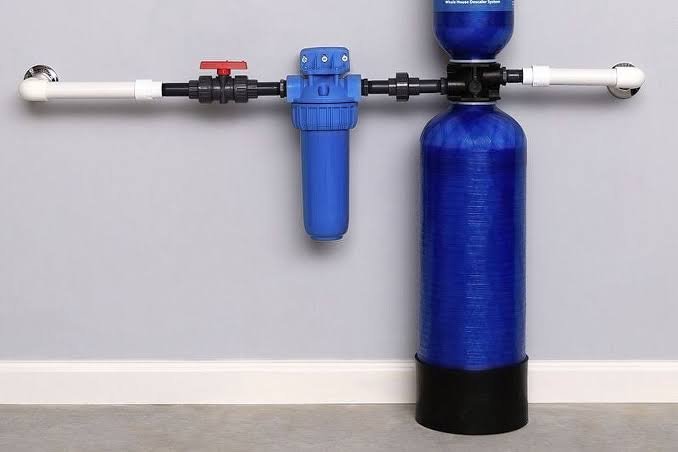
That’s where water treatment services begin to make sense—not as an over-the-top upgrade, but as a practical response to everyday issues. It’s not about chasing perfection or turning your home into a lab. It’s about making water behave the way you expect it to.
You’d be surprised how often small annoyances—like dry skin, dull laundry, or scale buildup—trace back to water that just isn’t balanced properly.
Why Fixing the Source Changes Everything
There’s a tendency to treat water problems only where they show up. A filter on the kitchen tap, maybe. Or a cleaning solution for stubborn stains. But these are surface-level fixes. The real difference comes when you address water at its entry point.
Think of it like fixing a leak at the source instead of constantly mopping the floor. When water is treated before it flows through your home, everything downstream benefits—your plumbing, your appliances, even your daily routines.
This is where proper installation plays a crucial role. A well-installed system isn’t just about functionality; it’s about efficiency and consistency. If it’s done right, you won’t have to think about it much afterward. It simply becomes part of your home’s rhythm, quietly doing its job.
The Everyday Comfort You Didn’t Realize You Needed
Improved water isn’t something you show off, but it’s something you feel. It’s in the way your soap lathers more easily, how your hair feels softer after a shower, or how your kettle doesn’t need constant descaling.
These are small shifts, yes—but they add up.
There’s also a certain peace of mind that comes with knowing your water is working for you, not against you. You stop second-guessing what you’re drinking or using. It becomes one less thing to worry about in a world that already has enough of those.
Keeping It Working Without the Hassle
Of course, no system—no matter how well designed—runs perfectly forever without a little attention. And this is where people sometimes hesitate. They assume upkeep will be complicated or time-consuming.
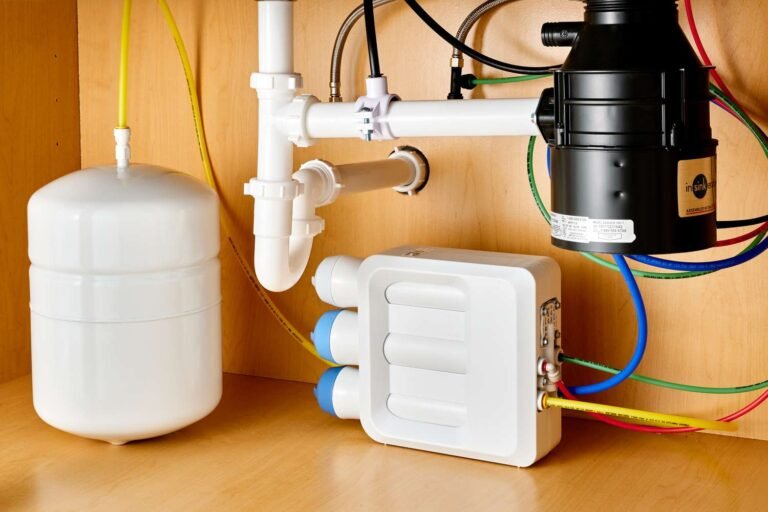
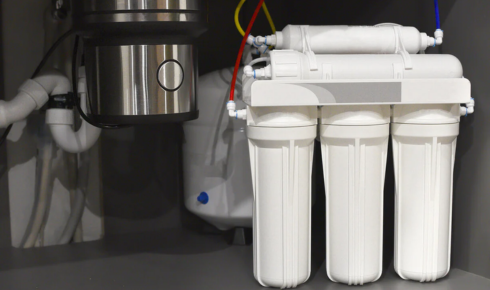
But in reality, good maintenance is usually straightforward. It’s about periodic checks, replacing filters when needed, and making sure everything continues to operate as intended. Nothing dramatic, just a bit of care to keep things running smoothly.
Skipping this step, though, can undo the benefits over time. A neglected system doesn’t just lose efficiency—it can also affect the very quality it was meant to improve.
Choosing What Fits Your Life
If there’s one thing worth remembering, it’s that water solutions aren’t one-size-fits-all. What works beautifully for one household might be unnecessary for another. The key is understanding your specific situation—your water source, your usage, your concerns.
It’s tempting to go for the most advanced setup available, but often, the best solution is the one that solves your problem without overcomplicating things. Simple, effective, and reliable tends to win in the long run.
A Subtle Upgrade With Lasting Impact
We live in a time where upgrades are constant—new devices, smarter homes, faster everything. But improving your water is different. It’s not flashy. It doesn’t come with a learning curve or a shiny interface.
Instead, it quietly improves the background of your life.
Better water touches nearly everything you do, from the moment you brush your teeth in the morning to the last cup of tea you make at night. It’s there in ways you rarely notice—until it’s better.
And maybe that’s the real takeaway. Not every improvement needs to be loud or obvious. Some of the most meaningful ones are the ones you simply feel, day after day, without having to think about them at all.