There’s a quiet moment most of us recognize. You fill a glass, take a sip, and pause—just for a second. Not because something is wrong, exactly, but because something feels… slightly off. Maybe it’s the taste, maybe the smell, or maybe it’s just a thought you can’t quite shake: is this really as good as it could be?
Water has a way of blending into daily life. It’s constant, reliable, easy to take for granted. But when you start paying attention—even a little—you realize it’s not always as simple as it seems.
The Everyday Reality We Don’t Question
For something we use so often, water rarely gets our full attention. We cook with it, clean with it, drink it, and move on. If it looks clear, we assume it’s fine. And most of the time, it is.
But “fine” isn’t always the same as “ideal.”
Different sources, aging pipes, treatment chemicals, minerals from the ground—all of these can subtly affect water. Not enough to raise alarms, but enough to influence how it tastes, smells, or feels over time.
And once you notice those small differences, they’re hard to ignore.
When Taste Becomes the Turning Point
For many people, the shift begins with taste. Maybe your tea doesn’t taste quite right anymore. Or your morning coffee feels dull, even though nothing else has changed.
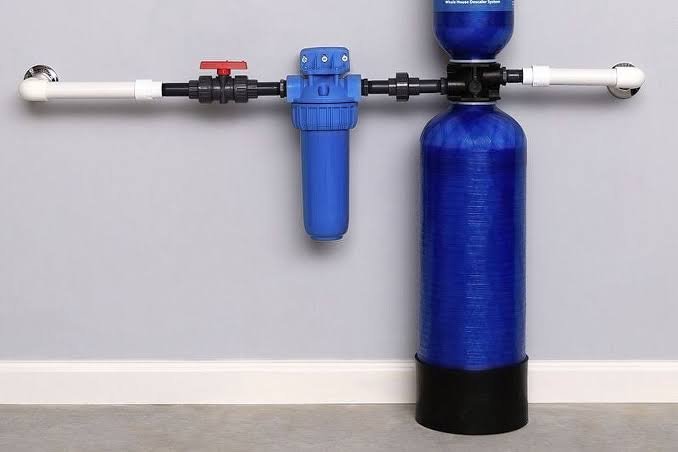
That’s often when people start exploring water filter solutions. Not because they’re dealing with a major issue, but because they want to improve something they experience every day.
And the thing is, even a simple filtration setup can make a noticeable difference. It can reduce chlorine, remove sediment, and improve overall taste in ways that feel immediate but not overwhelming.
It’s not about transforming your water completely—it’s about refining it.
Looking at Water a Bit Differently
We tend to think of drinking water as just another basic need—something to check off a list. But it plays a bigger role than we usually acknowledge.
It affects how you feel throughout the day. Your energy levels, your focus, even your mood in subtle ways. When your water tastes better, you naturally drink more of it. And that alone can make a difference over time.
It’s a small shift, but a meaningful one.
The Bigger Picture: What’s in Your Water?
Here’s where things get a little more interesting. Water isn’t just about taste—it’s about composition. Minerals, trace elements, and sometimes contaminants all contribute to the overall experience.
You might not see them. You might not even taste them clearly. But they’re there, influencing everything from your appliances to your skin.
That’s why the idea of clean water isn’t just about safety. It’s about quality. About creating a version of water that feels right for your home, your habits, your everyday life.
And that doesn’t always require a complex solution. Sometimes, it’s just about understanding what you’re working with.
Not Every Solution Has to Be Complicated
One of the biggest misconceptions is that improving water quality requires a major investment or a complicated system. In reality, many solutions are surprisingly simple.
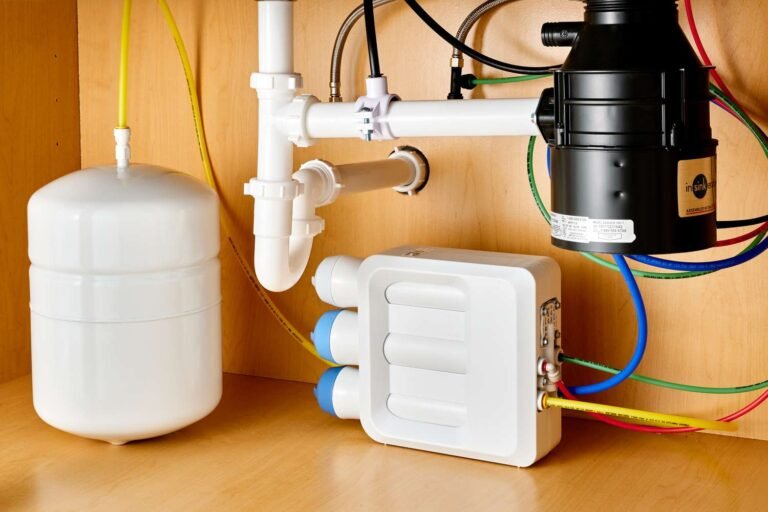
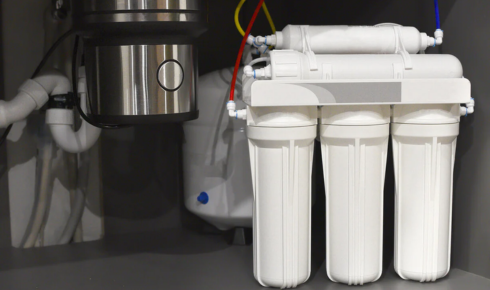
A basic filter can handle common issues. A slightly more advanced system can address specific concerns like hardness or chemical taste. The key is choosing something that matches your needs—not someone else’s.
Because water isn’t universal. It varies from place to place, even from house to house.
The Quiet Benefits You Don’t Expect
What’s interesting about better water is how subtle the changes can feel at first. You might notice a cleaner taste, or that your dishes come out a bit clearer. Maybe your skin feels less dry after a shower.
But it’s not dramatic.
Then, over time, you realize something else—you’re not thinking about your water anymore. Those small annoyances that used to catch your attention? They’re gone.
And that’s usually the point.
Why We Tend to Ignore It
If water affects so many parts of daily life, why don’t we address it sooner?
Because it doesn’t feel urgent.
Water issues rarely disrupt life in obvious ways. They sit in that grey area where things are manageable, even if they’re not ideal. Easy to adapt to, easy to overlook.
Until something nudges you to take a closer look.
A More Practical Way to Approach It
You don’t need to overhaul your entire setup overnight. You don’t need to chase the most advanced system available. But paying a little more attention to your water—just a little—can lead to meaningful improvements.
Start with what you notice. Taste, smell, residue. Then explore options that address those specific concerns.
It’s a gradual process, not a one-time fix.
Ending With a Simple Thought
Water is one of those things we rely on without really thinking about it. It’s part of the background, part of the routine.
But every now and then, it’s worth bringing it into focus.
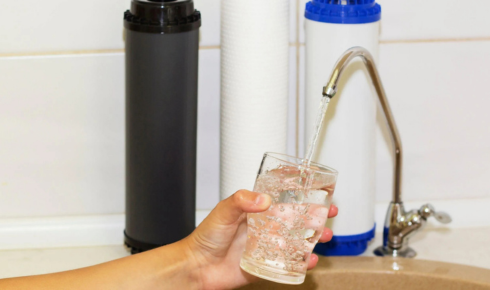
Not because something is wrong—but because there might be a better way to experience something you use every single day. And sometimes, that better experience starts with something as simple as a clearer, fresher glass of water.