There’s a moment that doesn’t get talked about much—the quiet pause before you take a sip of water and think, “Does this taste right?” Not bad exactly, just… different. A faint aftertaste, maybe. Or the way your skin feels a little tight after a shower. Small things, easy to shrug off.
But they tend to linger in the back of your mind.
Water is so ordinary, so constant, that we rarely question it. Yet it touches nearly every part of our day—cooking, cleaning, bathing, drinking. And when something feels off, even slightly, it’s worth paying attention.
The Subtle Signs You Might Be Ignoring
Most water quality issues don’t announce themselves loudly. They show up in quiet ways. Dishes that come out spotty. Soap that refuses to lather properly. A kettle that builds up residue faster than it should.
These aren’t major problems, but they’re not random either.
Often, they point toward mineral content in the water—things like calcium and magnesium that affect how water behaves. It’s common, especially in certain regions, and it’s usually referred to as hard water.
Over time, those minerals can leave buildup in pipes, appliances, and fixtures. Nothing urgent, but enough to make everyday tasks feel just a bit less smooth.
A Simple Shift That Makes a Noticeable Difference
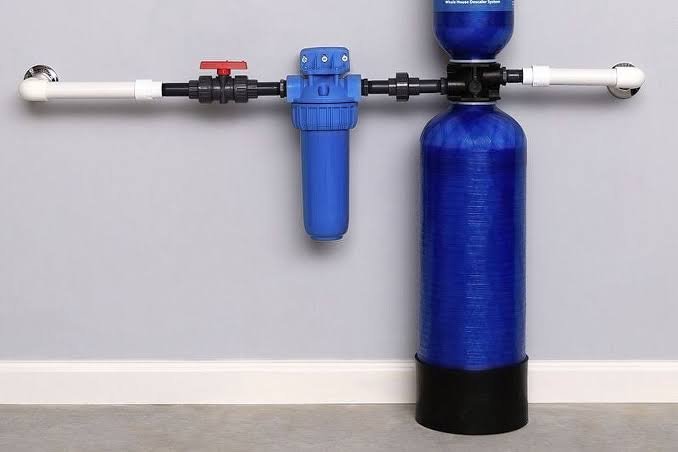
That’s where water softeners come into the picture. They don’t change everything overnight, but they do address that mineral-heavy feel.
Softened water tends to lather better, rinse cleaner, and leave fewer deposits behind. It’s one of those changes you don’t fully appreciate until you experience it—like switching to a better mattress or finally fixing that squeaky door you’ve ignored for years.
It’s not dramatic. Just quietly better.
When Taste Becomes the Focus
For some people, the concern isn’t about how water feels—it’s about how it tastes.
Maybe there’s a faint chemical note. Or a lingering aftertaste that makes you reach for something else instead. In many cases, this comes down to what’s dissolved in the water—trace elements, treatment chemicals, or even environmental factors.
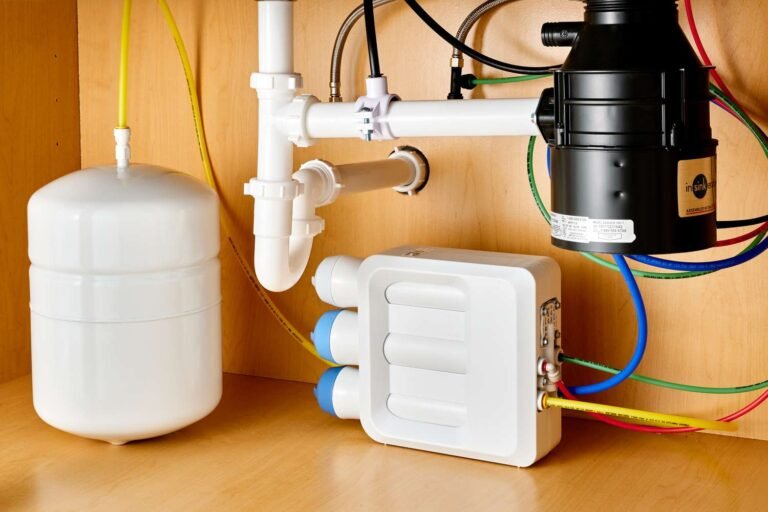
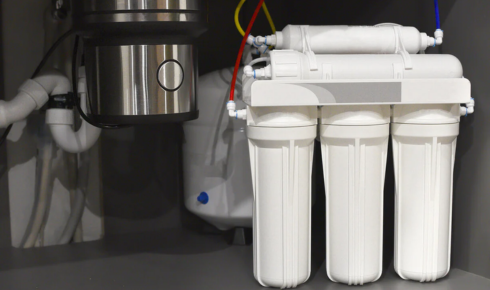
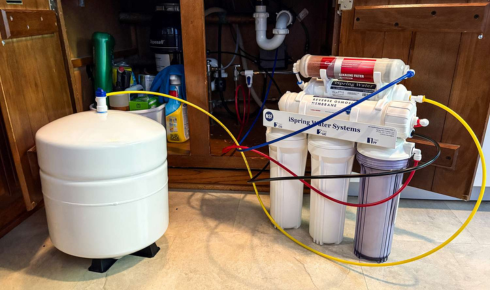
That’s where reverse osmosis units come in. They’re designed to filter out a wide range of impurities, producing water that’s noticeably cleaner in both taste and clarity.
It’s not just about removing things, though. It’s about creating consistency. Knowing that the water you’re drinking today will taste the same tomorrow.
The Growing Interest in Balance
Then there’s another layer to the conversation—something that’s gained attention in recent years.
Some homeowners are exploring ways to not just clean their water, but to adjust its composition. That’s where alkaline water filters enter the discussion.
These systems aim to modify the pH level of water, often adding minerals back in after filtration. The idea is to create water that feels smoother, sometimes even slightly different in taste.
Whether or not it’s something you need depends on your preferences. For some, it’s a noticeable improvement. For others, it’s more of a personal choice than a necessity.
It’s Not About Having Everything—It’s About Having the Right Thing
With so many options available, it’s easy to feel like you need all of them. Softeners, filters, specialized systems—it can quickly become overwhelming.
But most homes don’t need a complex setup.
The key is understanding your water first. What’s in it? What’s affecting your daily use? Once you know that, the right solution becomes clearer. Sometimes it’s just one system. Sometimes it’s a combination.
The goal isn’t to over-engineer your setup. It’s to make your water work better for you.
The Cost Question (Let’s Be Real About It)
Any kind of water treatment system comes with a cost. That’s unavoidable.
But it’s worth thinking about what you’re getting in return. Less buildup in appliances. Cleaner dishes. Better-tasting water. A more comfortable experience overall.
And then there’s the less tangible part—the peace of mind that comes from knowing your water is consistent and reliable.
It’s not about spending more. It’s about investing in something you use every single day.
Maintenance: The Part That’s Easy to Forget
Even the best systems need a bit of upkeep. Filters need replacing. Softeners need occasional attention.
It’s not complicated, but it does require a little awareness.
The good news is, once you get into the habit, it becomes part of the routine—like changing a lightbulb or checking your car’s oil. Small efforts that keep things running smoothly.
A Final Thought
Water is one of those things we rarely question because it’s always there. It flows when we need it, disappears when we don’t, and quietly supports everything in between.
But taking a closer look—just once—can change how you experience it.
Not in a dramatic way. Not in a way that demands attention.
Just in those small, everyday moments where things feel a little better, a little smoother, a little more… right.
And sometimes, that’s exactly enough.