Most people don’t spend much time thinking about electricity until something suddenly stops working. A light flickers for weeks and gets ignored. A breaker trips once, then twice, and someone jokes about the building “showing its age.” Eventually, though, small issues stop being small.
It’s funny how electrical problems often arrive quietly at first. No dramatic sparks flying from walls like in films. Usually it’s subtler than that — outlets warming up unexpectedly, strange buzzing noises, equipment slowing down, or lights dimming when large appliances switch on. Little warning signs that are easy to dismiss when life gets busy.
But behind those minor annoyances, there’s often a larger story developing inside the wiring and infrastructure most people never see.
And honestly, modern homes and businesses rely on electricity far more heavily than many older buildings were ever designed for.
We Ask More From Electricity Than Ever Before
Think about the average day now compared to even fifteen years ago.
Homes are filled with smart TVs, gaming consoles, laptops, security cameras, chargers, kitchen appliances, and Wi-Fi systems running around the clock. Commercial spaces are even more demanding, relying on servers, automated equipment, lighting systems, payment terminals, refrigeration, and endless connected devices.
All of that places pressure on wiring, circuits, and distribution boards that may already be aging.
That’s why regular electrical maintenance matters more than people sometimes realise. It’s not only about fixing visible issues. It’s about preventing future failures before they interrupt daily life or business operations.
The tricky part is that electrical wear and tear isn’t always obvious. Wires degrade slowly. Connections loosen gradually. Components overheat over time. You rarely wake up one morning to total failure without smaller warning signs appearing first.
The problem is, most of us are pretty good at ignoring those signs until something becomes impossible to overlook.
Small Repairs Often Prevent Bigger Problems
I once knew someone who kept resetting the same tripped breaker for months because “it always came back on eventually.” Turns out, an overloaded circuit had been slowly damaging connected equipment the entire time. By the time they called an electrician, the repair bill was far higher than it would’ve been earlier.
That situation isn’t unusual.
People often delay electrical repair work because the issue still feels manageable. And to be fair, life gets expensive. If a socket still mostly works or lights only flicker occasionally, it’s tempting to postpone calling someone.
But electrical faults rarely improve by themselves.
Loose wiring can create heat buildup. Damaged outlets may become fire risks. Faulty breakers might fail to protect circuits properly during surges. What begins as a minor inconvenience can eventually affect appliances, productivity, or safety altogether.
There’s also the hidden stress factor people forget about. Constantly wondering whether power will fail during work, while guests are visiting, or in the middle of a busy business day quietly wears people down over time.
Reliable electricity creates a kind of invisible comfort we usually take for granted.
Older Buildings Often Hide More Than People Expect
One challenge with older properties is that many electrical setups were designed for completely different lifestyles.
Decades ago, homes didn’t contain multiple televisions, charging stations, home offices, and air conditioning units all running together. Commercial buildings often face the same issue. Systems installed years ago may struggle with today’s energy demands.
And because wiring sits hidden behind walls and ceilings, problems can stay unnoticed for years.
I’ve heard electricians describe opening older panels and finding a patchwork of temporary fixes layered over each other from different decades. Sometimes things are technically functioning, but only just.
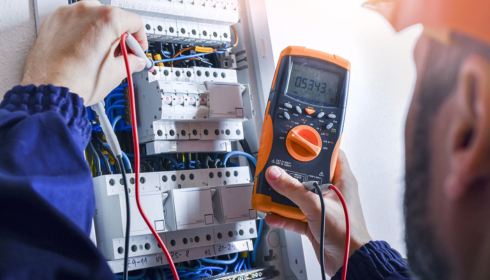
That’s why inspections can be surprisingly valuable. Proper assessments help identify overloaded circuits, deteriorating wiring, outdated fuse boards, and inefficient setups before they create serious trouble.
Good electricians aren’t simply there for emergencies. Often, their real value lies in helping people avoid emergencies entirely.
Energy Efficiency Is Becoming Harder to Ignore
Electricity prices alone are pushing more people to think carefully about how their properties consume energy.
Outdated equipment and aging wiring can waste surprising amounts of power. Older lighting systems, inefficient distribution, and overworked components often increase energy usage quietly in the background month after month.
Modern electrical systems are generally designed with efficiency in mind, not just functionality. Better layouts, updated panels, LED lighting, smart controls, and improved load management can reduce unnecessary energy consumption without disrupting everyday life.
And beyond cost savings, efficient systems often feel more reliable too. Appliances perform better. Equipment lasts longer. Power distribution becomes more stable.
It’s one of those improvements people don’t always notice immediately, but they definitely notice when things start working more smoothly overall.
Safety Is Still the Biggest Reason
As much as efficiency and convenience matter, safety remains the most important reason to take electrical upkeep seriously.
Electrical faults remain one of the leading causes of property fires worldwide. And while modern protection devices help reduce risks significantly, they can’t compensate for neglected wiring, overloaded circuits, or poor repair work forever.
What makes electricity particularly dangerous is how invisible it is. You can’t always see deterioration happening until damage has already occurred.
That’s why professional inspections, timely repairs, and sensible upgrades matter so much. Not because people should live in fear of electrical systems, but because proper care dramatically reduces preventable risks.
In many ways, good electrical work is a little like good plumbing or strong foundations — when everything functions properly, nobody talks about it. Life simply continues without interruption.
And honestly, that quiet reliability might be one of the most underrated comforts modern life has to offer.