Most people don’t really think about the water coming out of their tap. It’s just… there. You brush your teeth, make tea, wash vegetables, shower—life goes on. It only becomes interesting when something feels a bit off. A strange taste. A chalky layer on kettles. Skin feeling drier than usual.
Funny thing is, water doesn’t usually “break.” It changes slowly, quietly, almost politely. And by the time you notice, it’s already been different for a while.
When “Clean” Water Doesn’t Always Mean Good Water
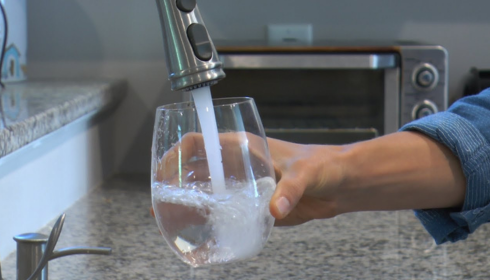
There’s a common assumption that clear water is clean water. Makes sense on the surface. But clarity doesn’t always tell the full story.
Depending on where you live, water picks up minerals, traces of treatment chemicals, and environmental elements as it travels through pipelines and storage systems. Some of it is harmless, some of it less so, and some of it just changes how water feels and behaves in daily use.
That’s where water quality becomes a quiet but important part of everyday life. It’s not just a technical term used in reports or labs—it shows up in small, personal ways. The way your tea tastes slightly different. The way soap behaves in the shower. Even the faint smell when you first turn on the tap after a few hours.
You don’t always notice good water quality. You just notice when it slips a bit.
The Strange Normalcy of Living With Hard Water
If you’ve ever seen white stains on bathroom tiles or felt like shampoo doesn’t lather properly, you’ve probably dealt with this already. It becomes so normal that people stop questioning it.
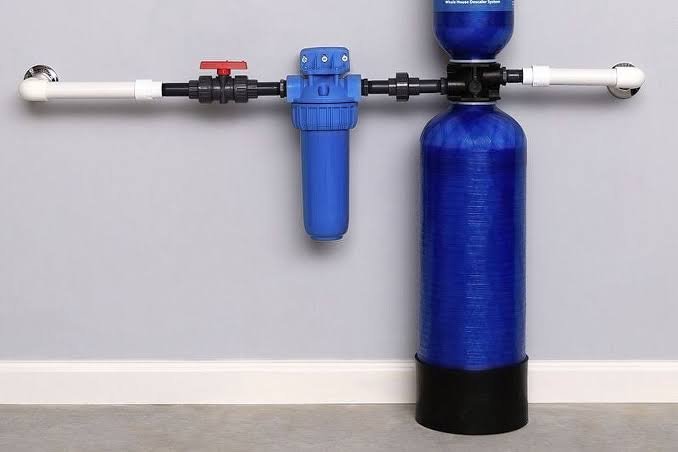
But that “normal” has a name—hard water. It simply means water with higher levels of calcium and magnesium. Sounds harmless, right? And in many ways, it is. But over time, it leaves its mark.
Kettles build scale. Pipes slowly narrow. Skin feels a bit tight after showers. Clothes don’t feel as soft as they should after washing.
What’s interesting is how people adapt without even realising it. They switch detergents. They scrub more often. They assume it’s just part of home maintenance. It’s only when they experience softer water somewhere else that the difference suddenly clicks.
And that reaction is always the same: “Oh… so it’s supposed to feel like this.”
The Quiet Habit of Checking What Comes Out of the Tap
Most households don’t test their water regularly. Not because they don’t care, but because nothing seems urgent enough to trigger it. Water looks fine. Smells fine. Tastes… mostly fine.
But appearances can be a bit misleading.
This is where water testing quietly steps in as a reality check. It’s not about creating worry—it’s about understanding what’s actually present. Minerals, pH levels, chlorine, sometimes even traces of contaminants depending on the source.
The interesting part is how simple testing has become now. You don’t need a full laboratory setup. Basic kits give a fairly clear snapshot, and more detailed reports can come from local services if needed.
And once people do test their water, the reactions are usually mixed. Some are relieved. Some are surprised. A few suddenly notice things they had been ignoring for years.
It’s not dramatic. It’s just revealing.
Why Small Changes in Water Feel Bigger Than They Are
Water is one of those things that sits quietly in the background of life. You don’t “use” it like a gadget. You rely on it. So even small changes feel bigger than expected.
A slight change in taste becomes noticeable fast. A bit more scaling turns into regular cleaning frustration. Dry skin after showers feels personal, not technical.
That’s probably why water-related issues tend to get attention only after they start affecting comfort directly. It’s not about data or reports—it’s about daily experience.
And honestly, that’s fair. Most people aren’t thinking about chemistry when they’re making morning coffee. They’re just expecting it to taste right.
The Part We Usually Miss About Home Comfort
There’s something subtle about water that makes it easy to overlook. It doesn’t demand attention. It just flows, adapts, and quietly participates in everything we do at home.
But once you start noticing the small details—taste, texture, residue, how things feel—you realise how much it influences everyday comfort.
Good water doesn’t announce itself. It just blends into life so smoothly that you forget it’s even being managed in the background.
And maybe that’s the real takeaway here. Water doesn’t need to be perfect in theory. It just needs to feel right in real life.
Because at the end of the day, whether it’s water quality, hard water, or water testing, the goal isn’t to obsess over numbers or systems. It’s to make the most ordinary part of life feel a little more reliable, without you even thinking about it too much.