Most of us don’t spend much time thinking about water. We turn on the faucet, fill a kettle, jump into the shower, and move on with the day. It’s one of those background parts of life — almost invisible when everything works the way it should.
But when water starts causing problems, even small ones, it suddenly becomes impossible to ignore.
Maybe your dishes come out cloudy no matter how carefully you wash them. Maybe your skin feels dry after every shower, or your coffee tastes oddly flat. Sometimes it’s more obvious than that — strange odors, orange stains around faucets, or a washing machine that seems to wear out faster than expected.
I remember visiting a relative who had recently moved into a rural home outside town. The house itself was beautiful, quiet, peaceful, surrounded by trees. But the first thing they mentioned wasn’t the scenery. It was the water. “Something just feels off about it,” they said while pouring tea. Turns out the well water was loaded with minerals, and once they addressed the issue, nearly everything in the house improved in subtle but noticeable ways.
Funny how something we rarely think about can quietly shape so much of daily life.
Water Affects More Than Just Drinking
People often assume water concerns are only about what comes out of the kitchen tap. But water touches almost every part of a home — laundry, showers, cooking, cleaning, even the lifespan of appliances.
When families finally invest in improving their water quality, they’re usually surprised by how many small annoyances disappear at once. Soap lathers more easily. Towels feel softer. Glasses stop collecting cloudy residue. Even simple things like washing fruits and vegetables feel a little more reassuring.
It’s not always dramatic, either. Sometimes the biggest improvements are the ones you barely notice after a few weeks because they quietly become normal.
That’s kind of the strange beauty of better water. It slips into everyday life without demanding attention.
The Trouble With Hard Minerals
One of the most common household water issues is mineral buildup. Homes supplied by groundwater or certain municipal systems often deal with hard water, which contains elevated levels of calcium and magnesium.
On paper, that may not sound serious. In practice, it can be frustrating.
Hard water tends to leave white residue on sinks, showerheads, and dishes. It can make laundry feel stiff and may slowly reduce the efficiency of appliances like water heaters and dishwashers over time. Some people even notice dry skin or dull hair after repeated exposure.
A friend once joked that her shower door “never stays clean longer than six minutes.” She wasn’t exaggerating much. Mineral spots kept reappearing no matter how aggressively she scrubbed them.
After installing a softening system, the difference became obvious within days. Not glamorous dinner-party conversation, admittedly, but definitely one of those household upgrades people wish they’d done earlier.
Why Taste Matters More Than People Admit
People adapt to unpleasant-tasting water surprisingly fast. If you drink it every day, your brain eventually stops questioning it. Then you visit another house, drink a glass of water there, and suddenly realize what you’ve been missing.
Good-tasting water changes habits. Families drink more water naturally. They rely less on bottled beverages. Cooking improves too — soups, pasta, coffee, tea — because water is the foundation of so many meals whether we notice it or not.
That’s why access to clean water has become a bigger priority for homeowners in recent years. It’s not just about safety anymore. Comfort matters too.
And honestly, there’s something reassuring about filling a glass straight from the tap without second-guessing it.
Small Signs You Shouldn’t Ignore
Water problems usually don’t arrive with dramatic warning signs. More often, they build quietly over time.
You might notice:
- A chlorine smell after running hot water
- Yellow or orange stains near drains
- Reduced water pressure
- Dry, itchy skin after bathing
- Sediment collecting in sinks or tubs
- Metallic or earthy tastes
Individually, these things seem manageable. Together, though, they often point toward underlying water issues worth investigating.
The challenge is that people get used to these inconveniences. They become part of the routine until someone points out they’re not actually normal.
Choosing Solutions Without Getting Overwhelmed
The water treatment world can feel unnecessarily complicated. One company recommends reverse osmosis. Another pushes filtration cartridges. Then somebody else insists UV purification is essential.
For homeowners, it’s easy to feel buried under technical jargon and conflicting advice.
Truthfully, the smartest first step is usually simple testing. Once you know what’s actually in your water, solutions become far easier to narrow down.
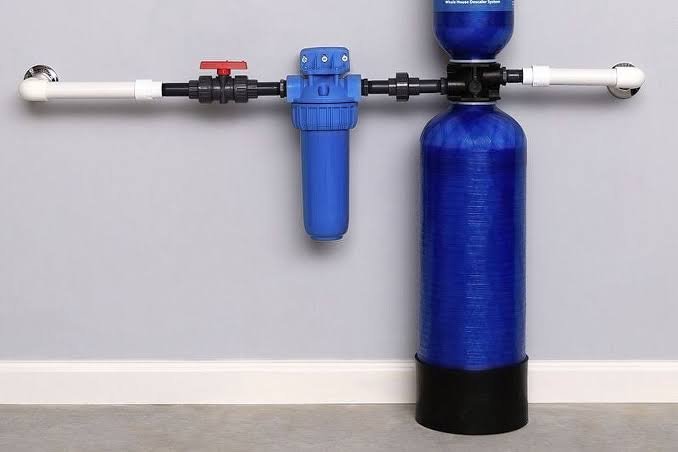
A house dealing with hard minerals may need a softener. Chlorine odors might only require carbon filtration. Sediment issues call for entirely different approaches. There isn’t one universal fix because every home’s water source behaves differently.
And maintenance matters more than flashy technology. Even the best system in the world won’t help much if filters never get replaced.
Better Water Quietly Improves Everyday Living
Most people don’t realize how much water influences comfort until they experience better water consistently.
Showers feel nicer. Laundry comes out softer. Appliances run more efficiently. Drinking more water becomes effortless instead of something you force yourself to do. Even houseplants seem happier sometimes — though maybe that part’s just optimism talking.
None of these changes sound life-altering by themselves. But together, they create a home that feels healthier, calmer, and easier to live in day after day.
And maybe that’s the real reason more homeowners are paying attention to water now. Not because it’s trendy or complicated, but because once you notice the difference better water makes, it’s surprisingly hard to go back.