There’s a certain comfort in routine—filling a glass straight from the tap, not thinking twice, just drinking. It’s simple, familiar, almost automatic. But every now and then, something interrupts that rhythm. Maybe it’s a strange taste, or a lingering afterfeel that makes you pause. Not enough to alarm you… but enough to make you wonder.
And that’s usually where the story begins.
The Habit We Rarely Question
Water is one of those things we assume is “handled.” Cities treat it, pipes deliver it, and we trust the system. Most days, that trust holds up just fine.
But here’s the thing—water doesn’t stay the same on its journey to your home. It moves through infrastructure that may be decades old. It sits in pipes overnight. It interacts with materials, minerals, and sometimes even temperature changes.
By the time it reaches your kitchen sink, it might still be safe… but not necessarily ideal.
That distinction matters more than we tend to admit.
The Bottled Shortcut (and Its Limits)
For a lot of people, the easiest solution is to sidestep the question altogether. Just buy bottled water and be done with it.
It feels like a quick fix—convenient, consistent, and reassuringly sealed. And yes, in some cases, it makes sense. Especially when local water conditions are unpredictable.
But over time, the cracks in that approach start to show. The cost adds up. Storage becomes a hassle. And then there’s the environmental side of things—plastic waste piling up, often without a clear end point.
More importantly, bottled water doesn’t solve the root issue. It simply replaces one source with another, without addressing what’s happening at home.
What’s Really Coming Through Your Tap?
If you slow down and pay attention, your water tells you things.
A chalky residue on faucets. Soap that doesn’t lather quite right. A faint smell that wasn’t there before. These small signals often point to underlying conditions—hardness, mineral content, or even treatment chemicals lingering in the supply.
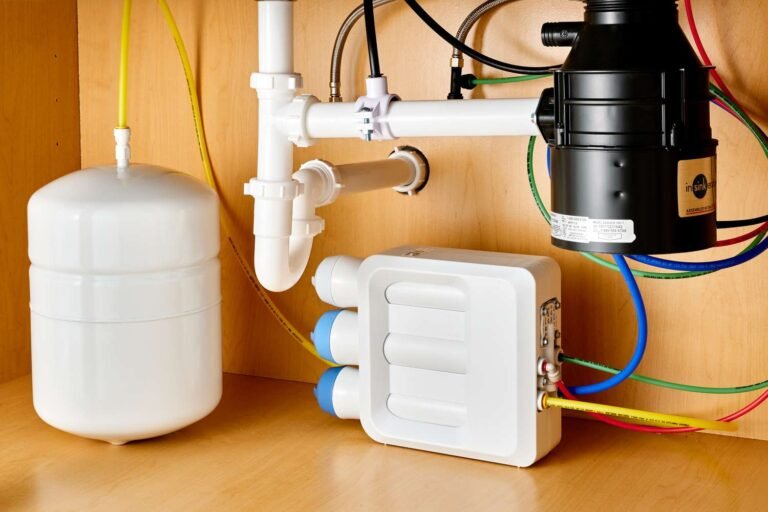
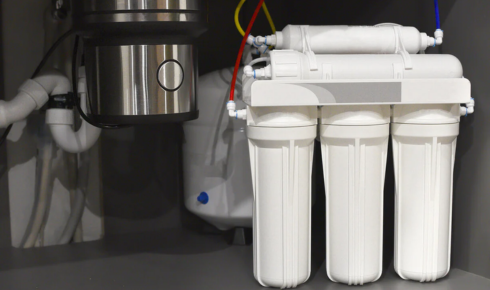
This is where many homeowners start exploring drinking water systems. Not because they’re chasing perfection, but because they want consistency. Something they can rely on, day in and day out.
And honestly, that makes sense. Water is too central to daily life to feel uncertain about.
Hard Water: The Quiet Disruptor
One of the most common, yet overlooked, issues is hard water. It doesn’t always taste bad, but it leaves its mark in other ways.
Over time, minerals like calcium and magnesium build up in pipes, appliances, even on your skin and hair. You might notice dishes looking spotty, or your showerhead losing pressure. Laundry can feel stiff, and that “just washed” softness seems harder to achieve.
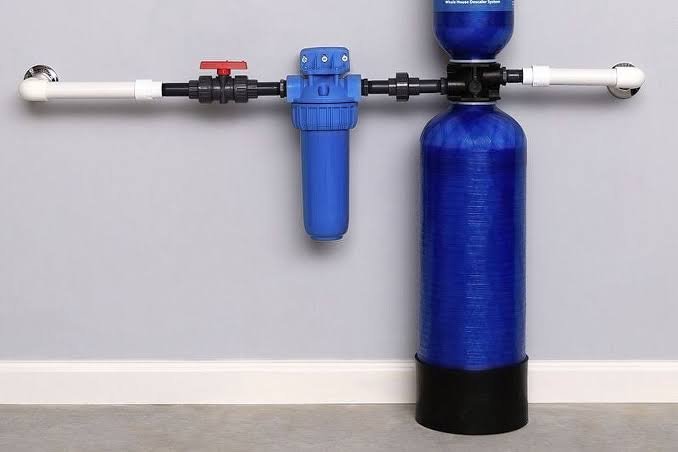
That’s where water softeners come into the picture. They’re not flashy, and you won’t always notice their presence right away. But once they’re in place, the difference tends to show up in subtle, everyday improvements.
Less buildup. Smoother surfaces. A general sense that things are working the way they should.
Choosing What Works for You
The tricky part isn’t deciding whether to improve your water—it’s figuring out how.
There’s no universal solution, despite what some ads might suggest. Every home has its own quirks. What works perfectly for one household might be unnecessary—or even ineffective—for another.
That’s why it helps to start with understanding rather than buying. Pay attention to your water. Maybe get it tested. Talk to someone who knows what they’re looking at.
From there, the path usually becomes clearer. Sometimes it’s a small filter. Sometimes it’s a more comprehensive system. But it’s rarely as complicated as it first seems.
The Subtle Shift You’ll Appreciate Later
What surprised me most when I started paying attention to water wasn’t the technical details. It was how quietly things improved once I addressed them.
Drinking water felt… cleaner. Not dramatically different, just more balanced. Showers became more comfortable. Even the kitchen felt easier to manage—less scrubbing, fewer spots, fewer little annoyances.
It wasn’t life-changing in a headline kind of way. But it was meaningful.
And maybe that’s the point.
A Small Change That Stays With You
Water isn’t something we think about when it’s working well. It fades into the background, supporting everything else we do.
But when it’s slightly off, it nudges its way into your awareness. A small discomfort here, a minor inconvenience there.
Taking the time to understand and improve it—even just a little—can bring things back into balance. And once that balance is there, you don’t notice it anymore.
You just live with it. Easily, naturally, without a second thought.
And in a world full of complicated fixes and loud solutions, that kind of quiet reliability is worth more than we give it credit for.