Clean water at home should feel simple. You turn on the tap, fill a glass, start the shower, run the washing machine, and everything just works. At least, that’s the idea. But many homeowners know it doesn’t always happen that way. Water can taste odd, smell strange, leave spots on dishes, dry out skin, stain fixtures, or slowly damage appliances without making much noise about it.
The tricky thing is that water problems are often easy to ignore at first. A little white buildup near the faucet. A rusty mark in the toilet bowl. Soap that never quite rinses off. None of it feels urgent until it becomes part of everyday frustration.
That’s where good water treatment makes a real difference. Not just the equipment, but the people behind it.
Why Trust Matters in Water Treatment
Inviting someone to work on your home’s water system is not a small thing. Water touches nearly every part of daily life, from morning coffee to children’s baths to the meals cooked at night. Homeowners need someone who explains clearly, works carefully, and recommends what actually fits the home.
A veteran owned business often brings a strong sense of discipline, service, and accountability to that kind of work. Those values matter when someone is assessing your water, entering your home, and installing equipment that your family will use every day.
It’s not about fancy sales talk. It’s about showing up, doing the job properly, and standing behind the recommendation. People can usually feel the difference when a company is built around reliability instead of quick transactions.
Every Home Has a Different Water Story
One of the biggest mistakes in water treatment is assuming every house needs the same system. It doesn’t. A home with city water may deal with chlorine taste or sediment. A home with well water may have iron, sulfur smell, hardness, or bacteria concerns. Older plumbing can create its own issues. Even nearby homes can have completely different water quality.
That’s why proper testing and honest evaluation are important. Before installing anything, the real question should be: what is actually happening in this water?
Sometimes the answer is simple. Sometimes it takes a combination of treatments. But guessing rarely works well. It can lead to overspending, under-treating, or installing equipment that doesn’t solve the main issue.
Why One-Size-Fits-All Systems Fall Short
Big-box filters and online systems can look attractive because they seem quick and affordable. And for minor concerns, they may help a little. But when a home has recurring water problems, a generic system often doesn’t go far enough.
Hard water, iron staining, sediment buildup, chemical taste, cloudy water, and unpleasant odours may each require a different approach. Treating the wrong issue is like buying new paint when the wall has a leak behind it. It may look better briefly, but the real problem is still there.
That’s why custom water solutions are so valuable. They are designed around the home’s actual water conditions, household size, plumbing setup, and daily usage. Instead of forcing the same product into every house, the system is built to match what the water needs.
The Everyday Benefits of Better Water
When water improves, daily life often improves in small but noticeable ways. Drinking water tastes cleaner. Coffee and tea seem smoother. Showers feel less harsh. Laundry rinses better. Dishes come out clearer. Fixtures stay cleaner for longer.
These are not dramatic movie-scene changes, but they matter. A home is made up of routines, and water runs through almost all of them.
Better water can also help protect appliances. Dishwashers, washing machines, water heaters, and ice makers all work harder when water carries too many minerals or sediment. Over time, that strain can lead to reduced efficiency or repairs. Treating water properly can support the health of the home itself, not just the people living in it.
Installation Is Where Quality Really Shows
Even the best water system can underperform if it is installed poorly. Placement, sizing, plumbing connections, pressure, drainage, and setup all matter. A system should not just be connected and forgotten. It should be installed with care, tested, and explained to the homeowner.
That is why expert installation is such an important part of the process. Proper installation helps the system run efficiently, reduces the risk of leaks or performance issues, and gives homeowners confidence that everything is working as intended.
A good installer will also walk you through the basics. How the system works. When filters need service. What changes you should expect. What to watch for. These small details make the difference between simply owning equipment and actually benefiting from it.
Good Water Treatment Should Feel Clear, Not Confusing
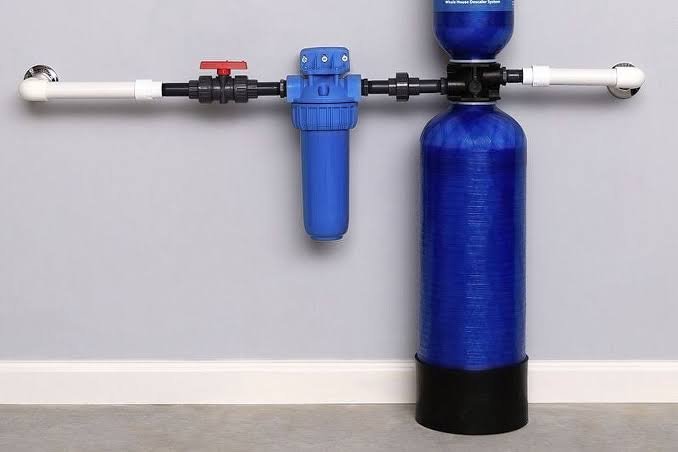
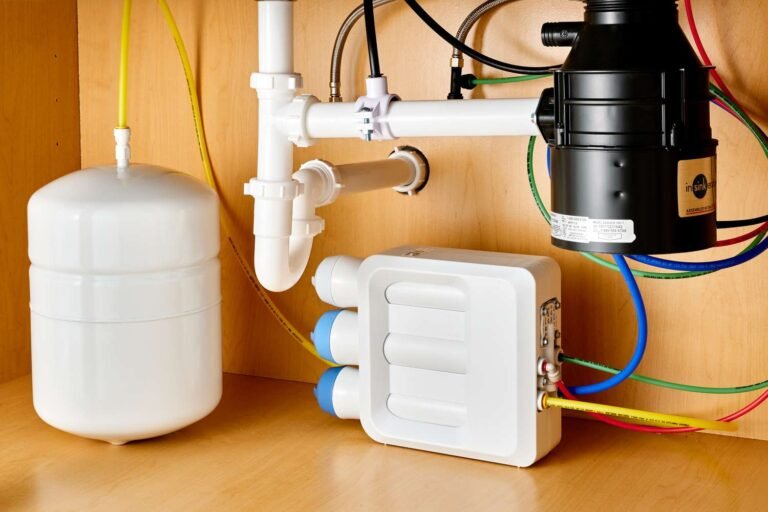
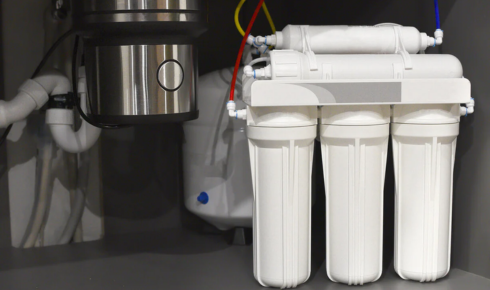
Water treatment can sound technical, and yes, some of it is. There are filters, media tanks, softeners, reverse osmosis units, valves, flow rates, and maintenance schedules. But homeowners shouldn’t need to become engineers just to get clean water.
The right company will make the process understandable. They will explain test results in plain language, talk through options, and recommend a practical path forward. No scare tactics. No rushed decisions. Just clear advice based on the water in front of them.
That kind of honesty is refreshing, especially in an industry where people sometimes feel overwhelmed by choices.
A Better Home Starts With Better Water
Clean, reliable water is not something homeowners should have to keep worrying about. Once the right system is in place, water should quietly support the home the way it’s supposed to. It should taste better, feel better, clean better, and help protect the things you use every day.
Of course, the right equipment matters. But the people doing the work matter just as much. Testing, recommendations, installation, and ongoing support all shape the final result.
Better water starts with attention. It starts with listening to what the homeowner has noticed, looking at what the water test shows, and building a solution that makes sense. When that happens, the tap becomes something simple again — not a daily question mark, but a source of comfort.