Water problems have a way of sneaking into daily life. They rarely arrive with a big announcement. One day the sink looks a little stained. Another day the shower glass seems cloudy again, even though someone cleaned it yesterday. The kettle has white crust inside. The tap water smells a bit like a swimming pool. Nothing feels urgent at first, but it is annoying. And after a while, those little annoyances start to feel like part of the house.
They do not have to be.
Most homeowners know when their water is not quite right, even if they cannot name the reason. Water might taste flat, leave marks, dry out skin, stain fixtures, or make appliances work harder than they should. The tricky part is that clear water can still carry minerals, metals, disinfectants, sediment, or odours that affect comfort and performance around the home.
Good water treatment starts with finding the real cause. Not guessing. Not buying the first filter that looks promising online. Just understanding the water first, then choosing the right solution.
Clear Water Can Still Cause Trouble
Water quality is not always something you can judge by looking at a glass. Some issues are obvious, yes. Orange stains, rotten-egg smells, cloudy water, or gritty sediment are hard to ignore. But other problems hide quietly.
City water may be treated and safe, but still have taste, smell, or mineral concerns. Well water may look clean but contain dissolved minerals, metals, or bacteria. Older plumbing can also affect what finally comes out of the tap.
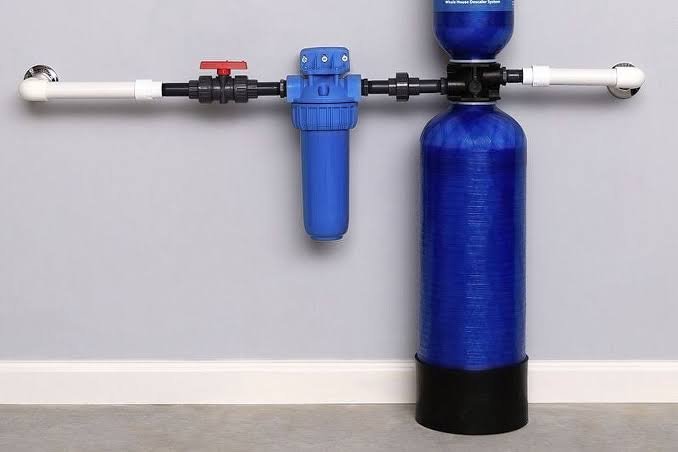
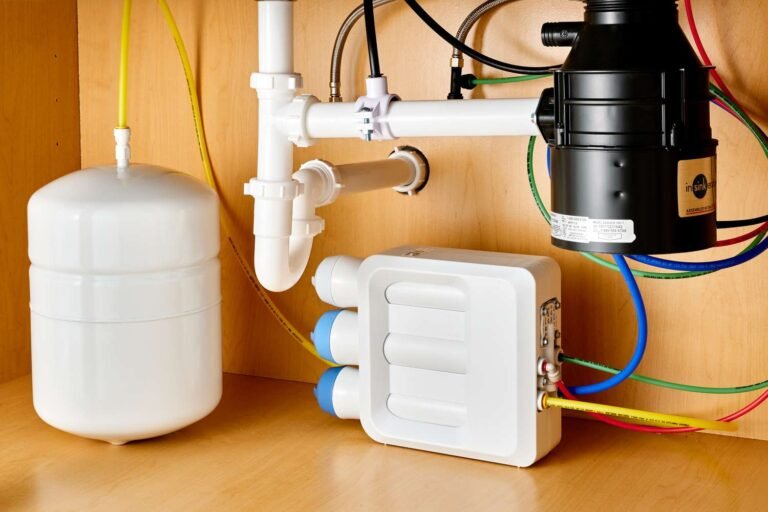
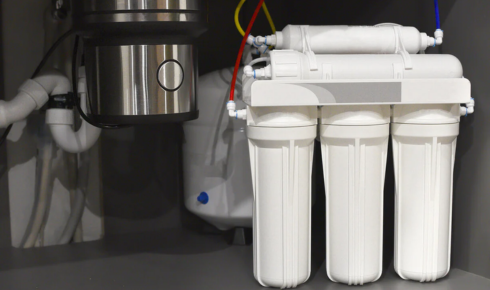
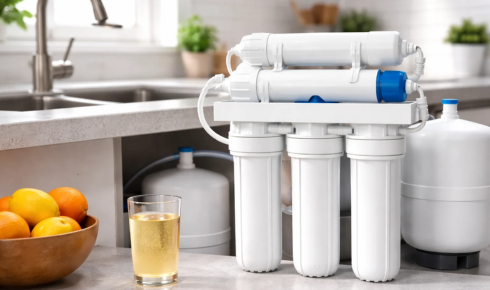
That is why testing matters. It gives homeowners a clearer picture of what is actually in the water. Once the results are known, the treatment plan becomes much more practical. A water softener, carbon filter, reverse osmosis unit, UV system, or whole-home filtration setup all solve different problems. The right choice depends on the water, not just the equipment.
When Stains Tell a Story
One of the most frustrating water issues is iron. It can leave orange, red, or brown stains in sinks, toilets, tubs, and laundry. Sometimes it creates a metallic taste. Sometimes it brings odours or slimy buildup, especially when iron bacteria are involved.
The problem is not only cosmetic. Iron can clog filters, coat pipes, stain fixtures, and make cleaning feel endless. You scrub the toilet bowl, and a few days later the stain starts creeping back. White laundry may come out with rusty marks. Faucets lose their shine. It becomes one of those household battles nobody asked for.
Treating iron properly depends on the type and level present in the water. Some situations need oxidation and filtration. Others may need aeration, softening, or a more specialised approach. A simple cartridge filter may catch some particles, but it often will not solve the full issue.
The Daily Frustration of Mineral Buildup
Another common issue is hardness, which usually comes from calcium and magnesium in the water. It may not always make water unsafe, but it can make a home harder to care for. Soap does not lather well. Skin feels dry after a shower. Hair may feel dull. Glasses and dishes come out spotted. White scale collects around taps, showerheads, kettles, and water heaters.
The real concern is what people cannot see. Scale can build inside pipes and appliances over time. Water heaters may become less efficient. Dishwashers, washing machines, coffee makers, and plumbing fixtures can face extra wear. A home may use more soap, more detergent, and more cleaning products just to get normal results.
Softening the water can make everyday routines feel noticeably easier. Laundry feels better. Fixtures stay cleaner. Appliances have less mineral stress. It is one of those improvements that people often wish they had made sooner.
Taste and Smell Matter Too
Municipal water is commonly disinfected before it reaches homes, which is important for public safety. But that does not mean every household enjoys the taste or smell. Some water has a sharp chemical flavour, especially when it has higher levels of disinfectant residual or when plumbing conditions affect the final tap experience.
This is where chlorine removal can improve the feel and flavour of household water. Carbon filtration is often used to reduce chlorine taste and odour, making drinking water, coffee, tea, and cooking water more pleasant. It can also make showers feel better for people who are sensitive to strong smells in tap water.
A better-tasting glass of water sounds simple, but it changes habits. Families may drink more from the tap and rely less on bottled water. That is better for convenience, cost, and kitchen clutter.
One System Does Not Fix Everything
It is tempting to believe one filter can solve every water issue. Sadly, water does not behave that neatly. A carbon filter may improve taste but not reduce mineral scale. A softener may handle hard water but not remove chlorine taste in the same way a dedicated filter would. Iron treatment may require a completely different process.
The best systems are designed in stages. Sediment may need to be removed first. Then iron, hardness, taste, odour, or drinking water concerns may be addressed separately. The order matters because each part of the system protects the next one.
A professional water assessment can help avoid wasted money. It also prevents the common mistake of treating symptoms while the real problem remains.
Maintenance Keeps Water Quality Consistent
Even the right system needs care. Filters clog. Softener salt runs low. Media beds wear out. Valves and seals age. Reverse osmosis membranes and carbon cartridges need replacing on schedule. If maintenance is skipped, water quality can slowly decline again.
Homeowners can help by watching for changes in taste, smell, pressure, staining, scale, or appliance performance. A simple service schedule can prevent a lot of frustration later.
Better Water Feels Like a Better Home
Clean water does not need to feel complicated. It should simply make life easier. Clearer dishes, fresher laundry, better-tasting drinks, cleaner fixtures, softer showers, and protected appliances all add up.
Water touches almost every room in a home. When it is wrong, little problems appear everywhere. When it is right, everything feels smoother, cleaner, and more comfortable.
The best first step is always the same: test the water, understand the cause, and choose a solution that fits the home properly. Good water is not about guesswork. It is about getting the details right from the beginning.