Walk into any workplace early in the morning — before the noise, before the rush — and you’ll notice something subtle. Someone’s filling a glass. Someone else is making tea. A machine hums quietly in the corner. Water is already doing its job, long before anyone starts thinking about it.
And yet, for businesses, water isn’t just background noise. It’s operational. It affects employees, customers, equipment, even brand perception in ways that don’t always show up on a balance sheet… at least not immediately.
The Hidden Role Water Plays in Everyday Operations
Most companies don’t sit down and say, “Let’s rethink our water.” It’s usually triggered by something small. Maybe the coffee starts tasting off. Maybe scale buildup begins affecting machines. Or staff start complaining — politely, but consistently.
Water quality isn’t just a residential concern. In offices, restaurants, manufacturing units, and healthcare spaces, it quietly shapes daily efficiency. Poor water can lead to maintenance issues, higher costs, and, perhaps most importantly, a less comfortable environment for the people who rely on it.
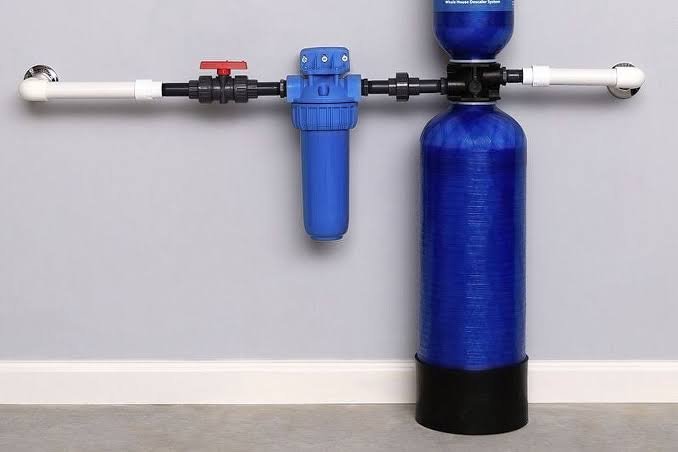
That’s where commercial water treatment enters the picture. Not as a luxury, but as a practical step toward consistency. Businesses that invest in proper treatment often aren’t trying to impress anyone — they’re just solving a problem that’s been lingering longer than it should.
Rethinking Drinking Water at Work
There was a time when water dispensers with bulky bottles were the default. You’d see them tucked into office corners, sometimes half-empty, sometimes overdue for a replacement. It worked, sure, but it wasn’t exactly efficient.
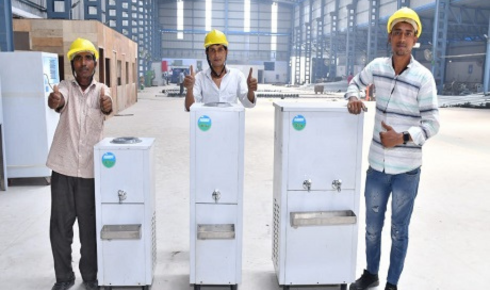
Things have shifted. More workplaces are moving toward bottleless water coolers, and honestly, it makes sense. These systems connect directly to the building’s water supply, filtering it on demand. No heavy lifting. No storage concerns. No running out at the worst possible moment.
But beyond convenience, there’s a subtle psychological shift too. When employees have easy access to clean, good-tasting water, they use it more. Hydration improves. Breaks feel more refreshing. It’s a small change, but it contributes to a better work rhythm.
When Standard Filtration Isn’t Enough
Of course, not every business has the same water needs. A café, for instance, might need precise filtration to protect the flavor of its coffee. A manufacturing unit may require water that meets strict quality standards for production.
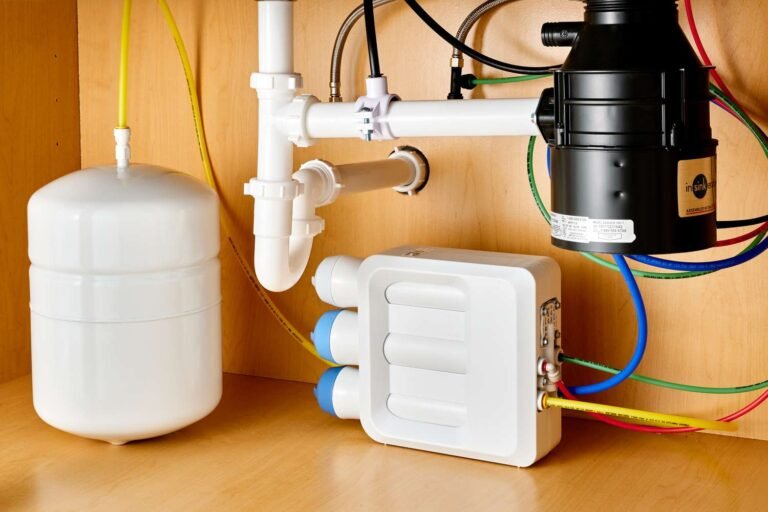
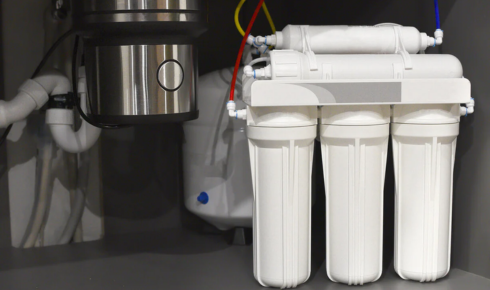
This is where specialty filtration systems come into play. They’re designed for specific challenges — removing certain chemicals, balancing mineral content, or meeting industry regulations. It’s not a one-size-fits-all situation.
What’s interesting is how tailored these solutions have become. Businesses can now address very specific issues without overhauling their entire setup. It’s more targeted, more efficient, and often more cost-effective in the long run.
The Cost of Ignoring Water Quality
Here’s the thing — ignoring water issues doesn’t make them disappear. It just delays the consequences.
Equipment wears out faster. Maintenance costs creep up. Employees notice the difference, even if they don’t always say it directly. In customer-facing businesses, water quality can even influence perception. A bad cup of coffee or cloudy ice cubes can quietly undermine an otherwise great experience.
On the flip side, when water is handled well, it fades into the background in the best possible way. Everything works as it should. No surprises. No complaints.
Making Smarter, More Practical Choices
If there’s one mistake businesses often make, it’s overcomplicating the decision. They either invest in systems that are too advanced for their needs or delay action because they’re unsure where to start.
A better approach? Start with observation. What issues are you actually facing? Taste? Scale? Maintenance costs? Once you identify the problem, the solution usually becomes clearer.
Testing water quality is a good first step. From there, it’s about choosing systems that match your specific requirements — not someone else’s.
And it’s okay to start small. You don’t have to transform everything overnight. Incremental improvements often lead to the most sustainable results.
The Human Side of Better Water
It’s easy to think of water in purely technical terms — filtration levels, mineral content, system efficiency. But at the end of the day, it’s about people.
Employees who feel comfortable. Customers who enjoy their experience. Teams that don’t have to deal with avoidable issues.
Better water doesn’t announce itself loudly. It doesn’t demand attention. It simply supports everything else, quietly making things work a little better.
Final Thoughts
In business, not every improvement needs to be bold or visible to be valuable. Sometimes, the most meaningful upgrades are the ones that operate in the background — steady, reliable, and easy to overlook.
Water is one of those things.
When you get it right, it doesn’t just improve operations. It improves the experience of being in that space — for everyone who walks through the door.